
Pomona isn't like the rest of Kempton Park, and anyone who treats it like a standard suburb is missing the point entirely. You've got everything here — smallholdings with horses and chickens, residential estates, agricultural plots, and properties that back directly onto open veld. That diversity is what makes Pomona special, but it's also what makes pest control here genuinely complex.
I've treated Pomona properties where the main pest concern wasn't cockroaches or ants — it was snakes seeking rodent prey in outbuildings. I've dealt with grain storage facilities where a single missed rodent entry point meant thousands of rands in lost stock. I've walked properties where the boundary fence was more suggestion than barrier to the wildlife that moves through Pomona's open spaces every night.
Standard suburban pest control doesn't work here. You need a company that understands agricultural pest management, wildlife interaction, and the specific challenges of larger properties with multiple structures. At Kempton Pest Co, we've developed protocols specifically for Pomona's unique environment. We don't just treat houses — we manage ecosystems.
The Pomona Pest Landscape
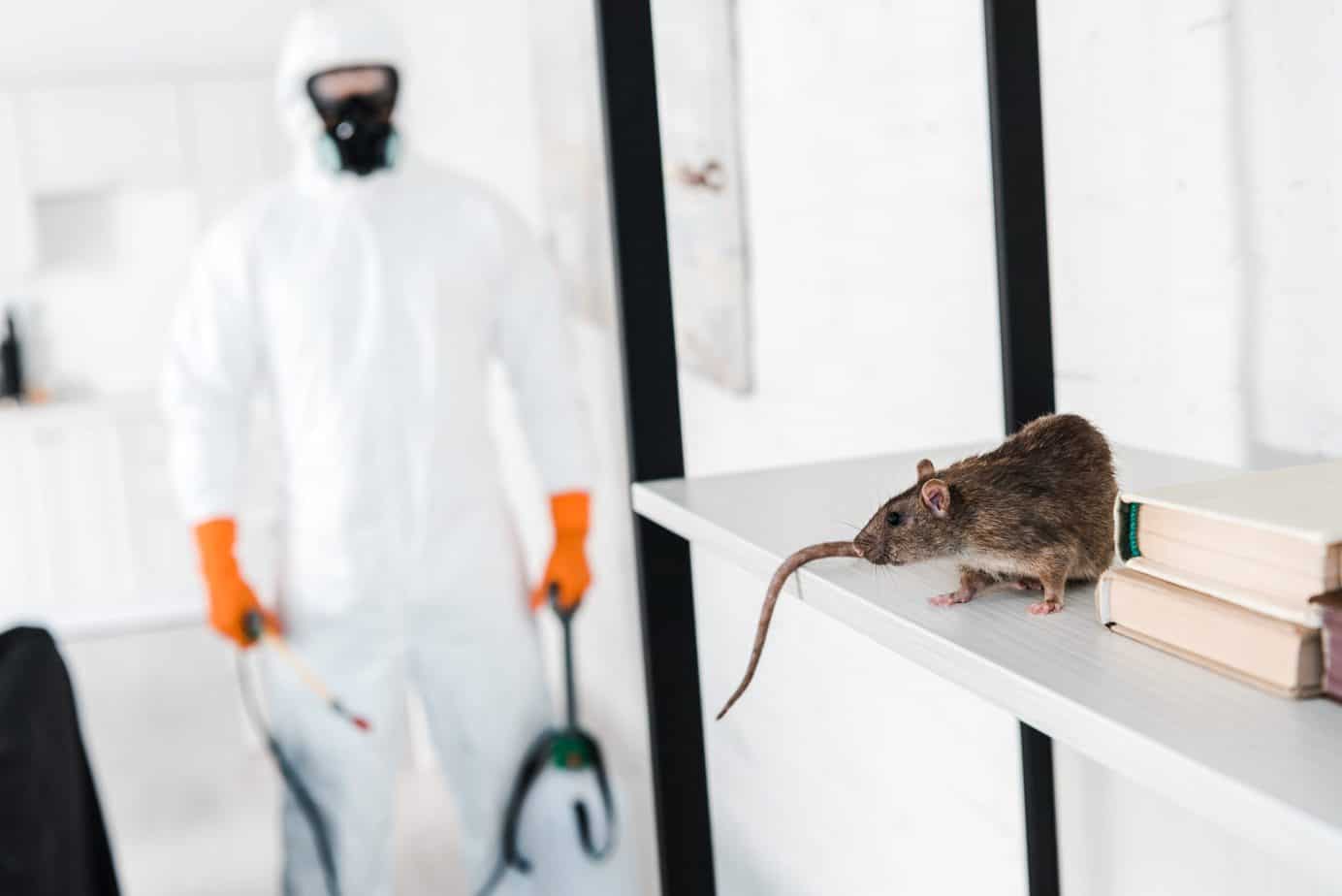
Rodents on Smallholdings: Pomona's larger properties with feed storage, stables, and outbuildings face rodent pressure that suburban homes never experience. A single breeding pair of roof rats can produce 200 offspring annually under ideal conditions — and ideal conditions include a stable with grain feed, a chicken coop with spilled pellets, and an outbuilding with stored pet food. We've seen smallholdings where the rodent population numbered in the hundreds.
Termites in Timber Structures: Many Pomona properties have timber stables, sheds, and pergolas that sit directly on soil or concrete slabs with timber contact points. These are termite magnets. We've treated stables where termites had hollowed out support posts while the exterior looked perfectly normal. One kick from a horse could have brought the structure down.
Snakes: Pomona's proximity to open veld means snakes are a reality. Most are harmless — brown house snakes, herald snakes, and egg-eaters are common and beneficial. But puff adders and Mozambique spitting cobras are also present. Our approach isn't extermination — it's management. We reduce rodent populations (which removes snake prey), seal entry points to homes and outbuildings, and advise on habitat modification. If venomous snakes are present, we work with licensed reptile handlers for safe relocation.
Wildlife-Introduced Pests: Properties that back onto veld or have wildlife corridors see ticks, fleas, and mites introduced by mongooses, genets, hares, and birds. These pests then transfer to domestic pets and into homes.
Flying Insects: Pomona's open spaces and water features breed mosquitoes and flies in numbers that suburban homes don't experience. Stagnant water in horse troughs, dam edges, and irrigation systems creates perfect breeding conditions.
Stored Product Pests: Agricultural and lifestyle properties with grain storage face weevils, meal moths, and grain beetles. These can contaminate feed stocks and spread rapidly if not controlled.
Our Pomona-Specific Pest Management Approach
Property-Wide Assessment:
For Pomona properties, our inspection covers the entire property — not just the main house. We assess stables, outbuildings, feed storage areas, boundary fences, water features, and garden areas. We identify wildlife corridors, rodent highways, and termite risk zones. This comprehensive approach takes 2-3 hours for an average smallholding, but it's essential for effective management.
Integrated Pest Management (IPM):
We use IPM principles — combining biological, physical, and chemical control methods. For rodents, this means exclusion work, habitat modification, trapping, and strategic baiting. For termites, it means timber treatment, soil barriers, and baiting systems. For flying insects, it means breeding site reduction, biological controls (like Bacillus thuringiensis for mosquitoes), and targeted adulticide applications.
Wildlife-Safe Practices:
We never use broad-spectrum spraying that harms beneficial insects, birds, or non-target wildlife. Our rodent baiting uses locked, tamper-resistant stations that protect owls, genets, and domestic animals. We time treatments to minimise impact on pollinators and advise on maintaining biodiversity while managing pests.
Agricultural Compliance:
For properties with commercial agricultural activity, we ensure all treatments comply with Department of Agriculture regulations and food safety standards. We provide application records, safety data sheets, and withholding period information where relevant.
Case Study: Smallholding Rodent Programme in Pomona
Mr. and Mrs. De Villiers (name changed) operate a five-acre smallholding in Pomona with horses, chickens, and a vegetable garden. They'd been battling rats for two years — losing feed, finding droppings in the feed room, and hearing activity in the stable roof at night. They'd tried DIY poison, which reduced the population temporarily but never solved the problem. Worse, they found dead rats in the stable that their dogs had access to.
Our assessment revealed multiple issues: feed stored in plastic bins that rats could chew through, chicken feed spilled daily and left overnight, a compost heap that provided nesting material and food, and a stable with gaps under doors and around plumbing large enough for rat passage.
Our programme: switch to metal feed bins with tight lids, install automatic chicken feeders that close at night, relocate the compost heap 30 metres from buildings, seal all stable entry points with rodent-proof materials, install locked bait stations in strategic exterior locations, and place snap traps in roof voids. We also advised on removing a water trough that was creating muddy ground perfect for rodent burrows.
Within three weeks, activity ceased. At 60-day follow-up, zero signs. The De Villiers' feed losses stopped, their dogs were safe, and the stable was clean. They now maintain a quarterly monitoring programme with us.
Pomona Pest Control Services & Pricing
- Residential Home Treatment: From R850
- Smallholding Assessment & Initial Treatment: From R2,500 (includes full property inspection)
- Stable & Outbuilding Rodent Programme: From R1,800
- Termite Treatment (Timber Structures): Custom quote based on structure size
- Snake Management Consultation: R850 (includes property assessment and recommendations)
- Monthly Agricultural Monitoring: From R1,500 per month
- Stored Product Pest Management: Custom quote based on facility size
Frequently Asked Questions — Pomona Pest Control
Do you handle snake removal on Pomona properties?
For venomous snakes, we work with licensed reptile handlers for safe capture and relocation. For non-venomous species, we focus on habitat management and exclusion. We never kill snakes — they're protected and ecologically important.
How do I protect my chicken coop from rats?
Use automatic feeders that close at night, store feed in metal bins, elevate coops on concrete or metal stands, and seal all gaps larger than 12mm. We can assess your specific setup and provide tailored recommendations.
Are your treatments safe for horses and livestock?
Yes. We select products and application methods that are safe around large animals. We avoid grazing areas during application and observe withholding periods where required. We'll discuss your specific animals before treatment.
Why are termites worse on Pomona smallholdings?
Timber structures in contact with soil, moisture from irrigation, and disturbed ground from ongoing property work all increase termite pressure. Regular inspections are essential for early detection.
Can you help with the mosquitoes around my dam?
Yes. We assess breeding sites, recommend biological controls like mosquito fish or Bti treatments, and apply targeted adulticide treatments to resting areas. We focus on source reduction first — the most effective long-term strategy.
Do you treat the whole property or just the house?
For Pomona properties, we recommend whole-property assessment and treatment. Pests on smallholdings don't respect house boundaries — a rodent problem in the stable will eventually become a rodent problem in the kitchen.
Internal Links
- Pest Control Kempton Park — Central hub
- Pest Control Bredell — Nearby smallholding area
- Pest Control Terenure — Adjacent suburb
- Home Cleaning Services — Cleaning division
- Deep Cleaning Kempton Park — Post-infestation cleaning
Image Alt Text Recommendations
Kempton Pest Co technician inspecting stable for rodent activity on Pomona smallholdingTermite damage to timber stable post on Pomona agricultural propertyRodent-proof metal feed bins recommended for Pomona smallholding feed storageKempton Pest Co team treating exterior of Pomona home with agricultural land in backgroundSnake exclusion work around foundation of Pomona outbuilding
CTA
Your Pomona property deserves specialised care.
Call or WhatsApp 073 583 3301 for agricultural-aware pest management. Smallholding specialists. Wildlife-safe practices. Same-day assessments available.

Six core pest treatments — fixed quote, 30-day guarantee.
 Cockroach ControlFrom R650
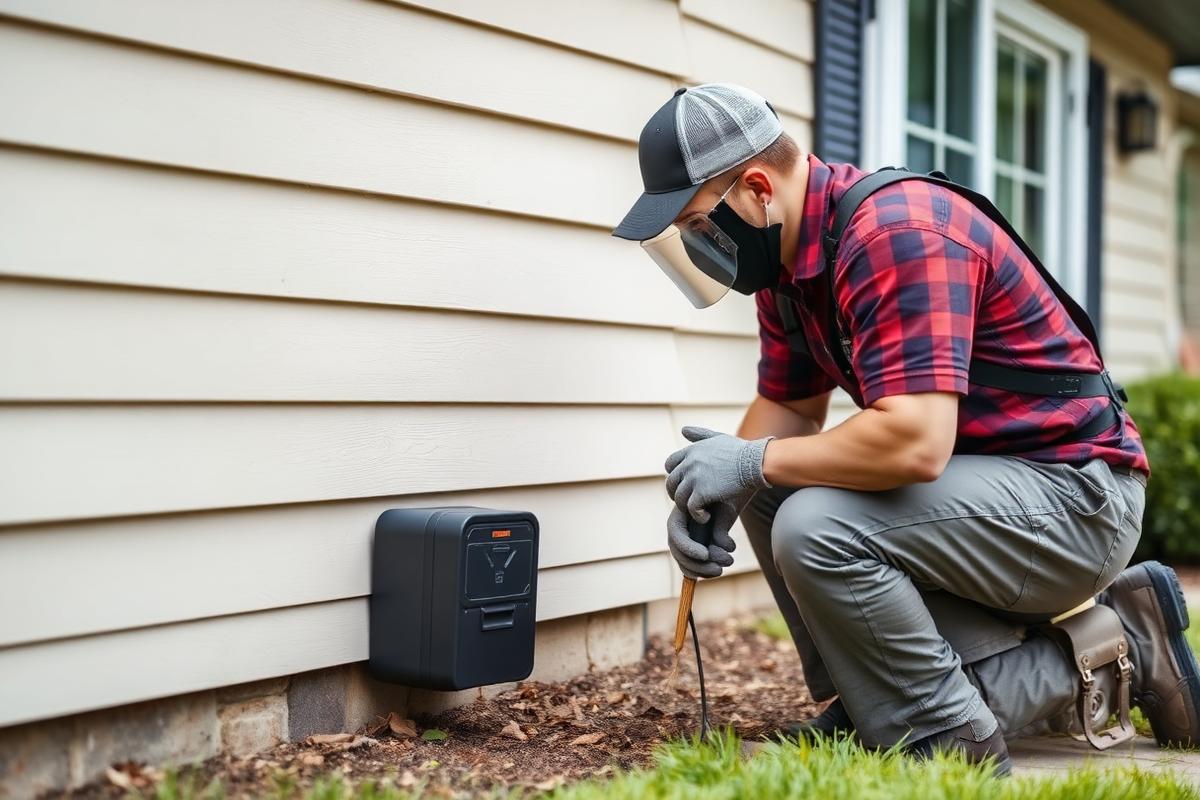 Rodent ControlFrom R850
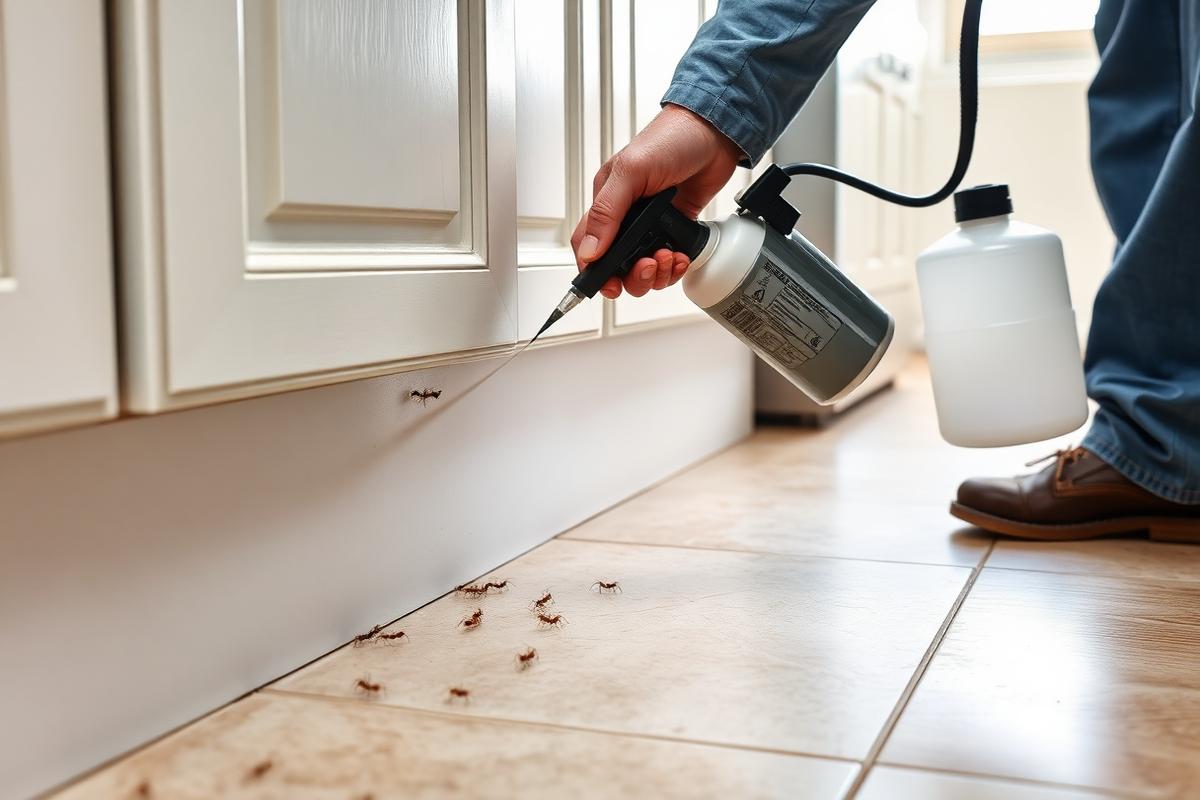 Ant ControlFrom R550
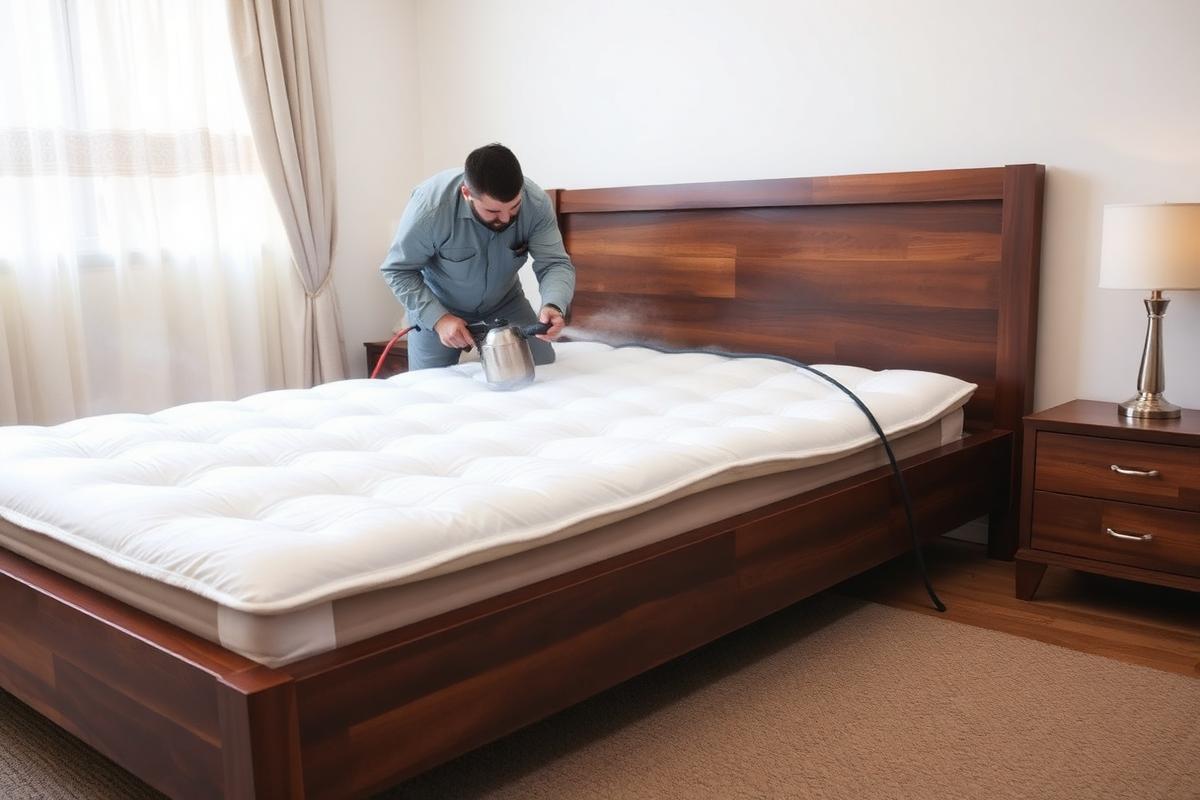 Bed Bug TreatmentFrom R1 450 / room
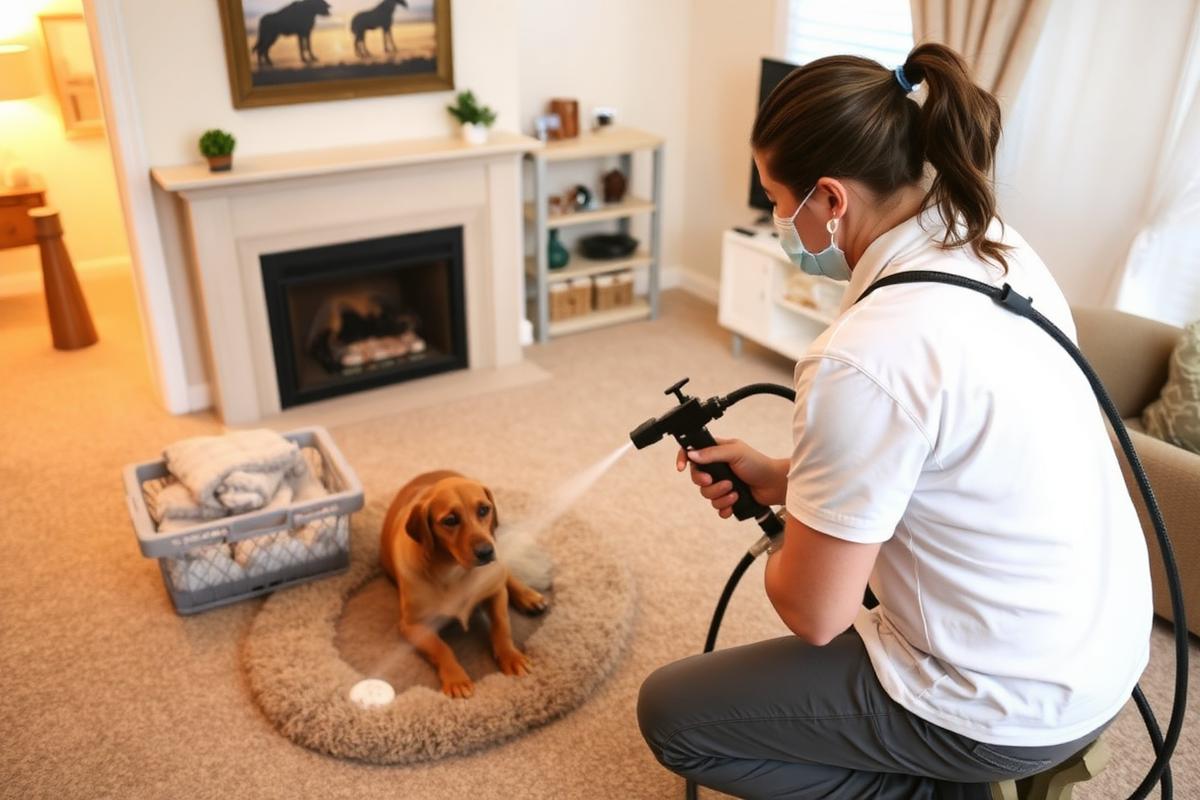 Flea & Tick ControlFrom R750
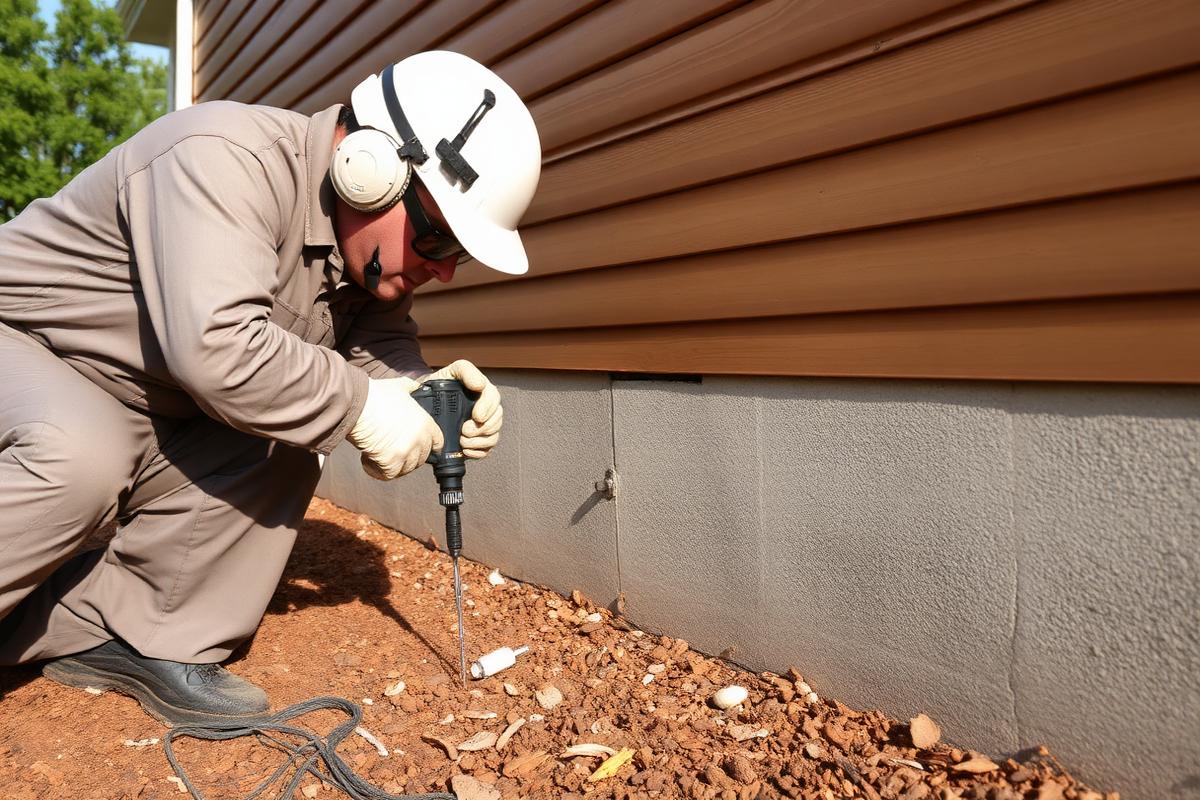 Termite ControlFrom R1 950
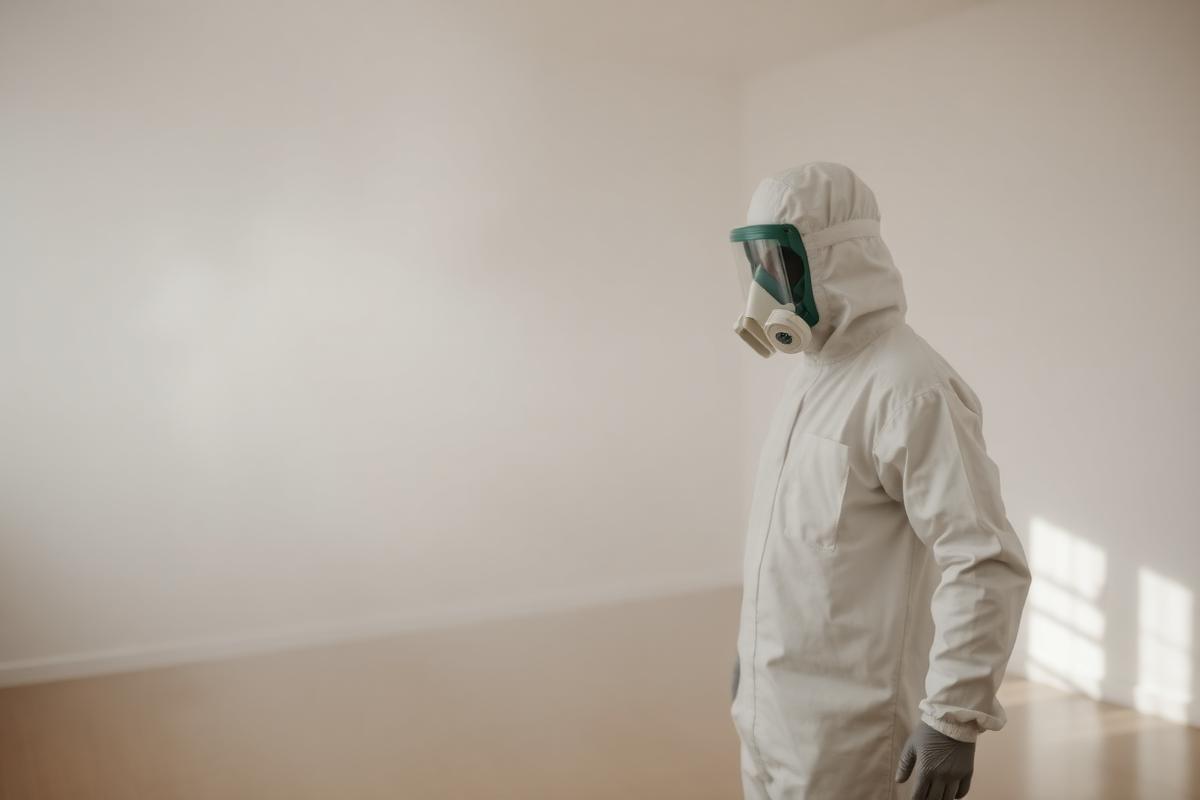 Fumigation ServicesFrom R2 450
 Industrial Pest ControlCustom quote
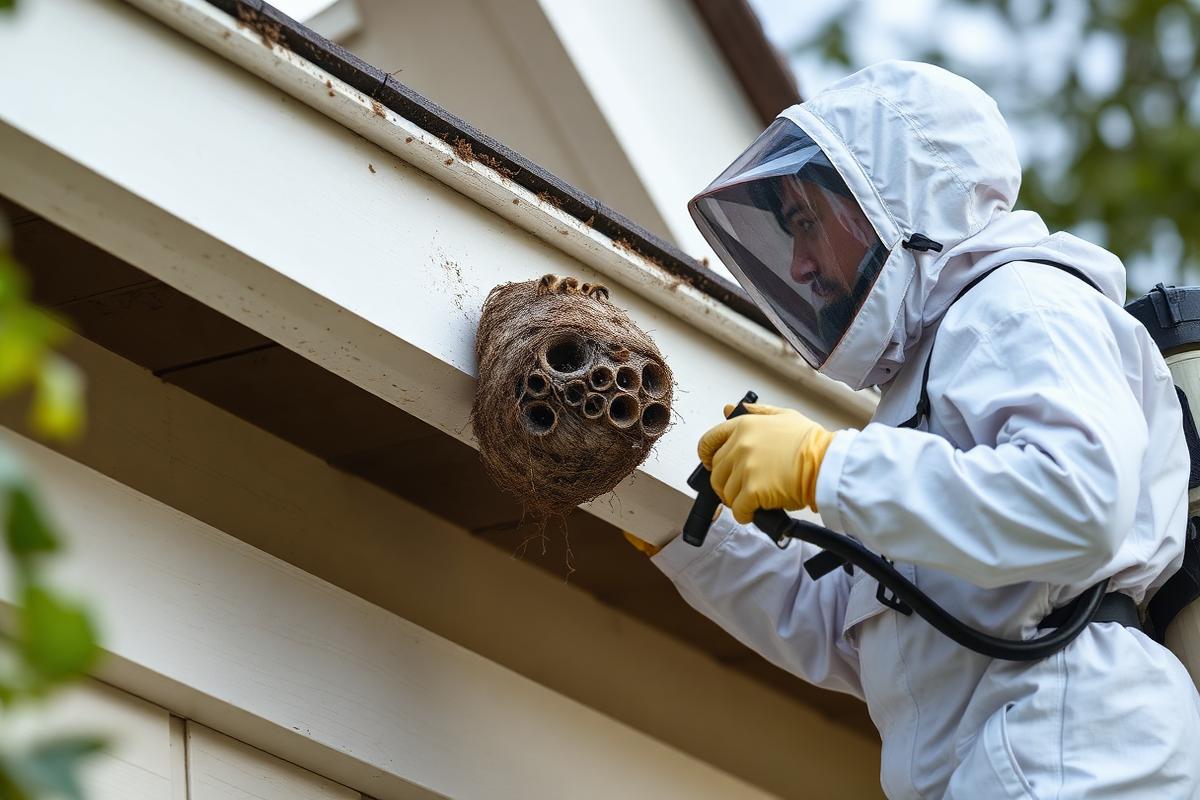 Wasp & Bee RemovalFrom R750
 Spider ControlFrom R650
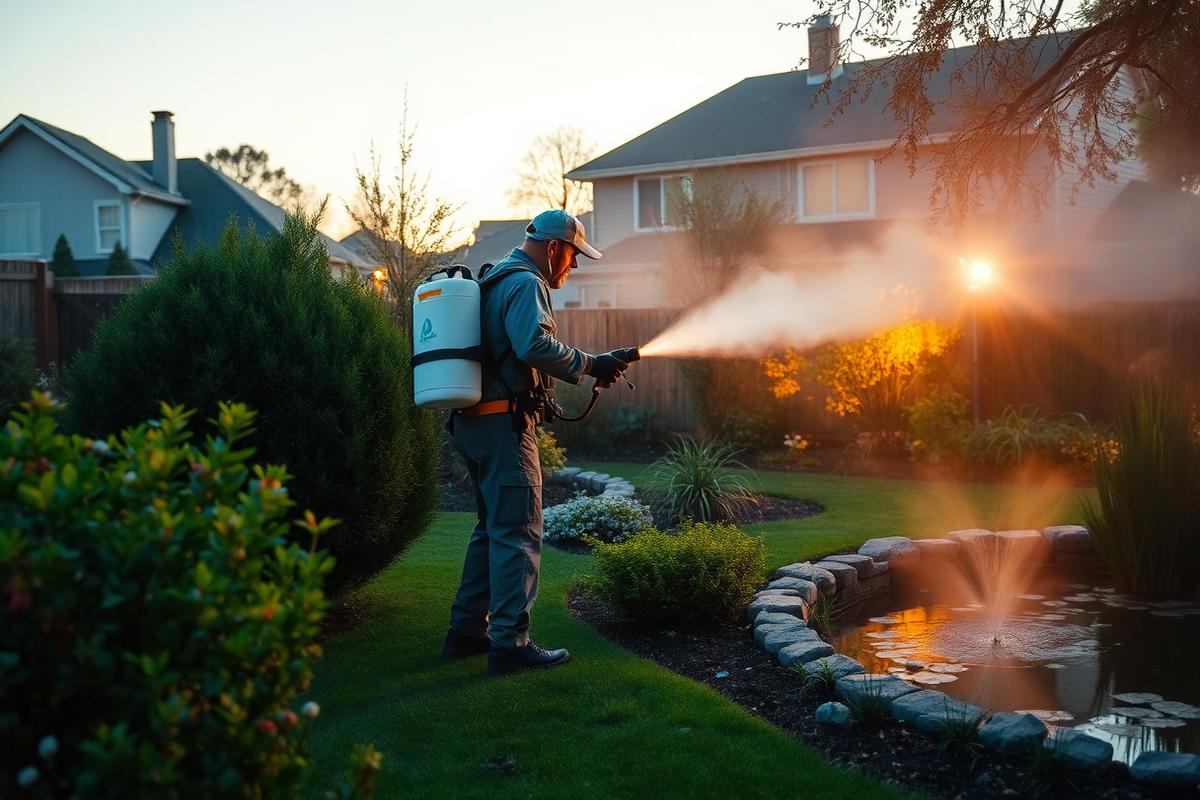 Mosquito ControlFrom R950
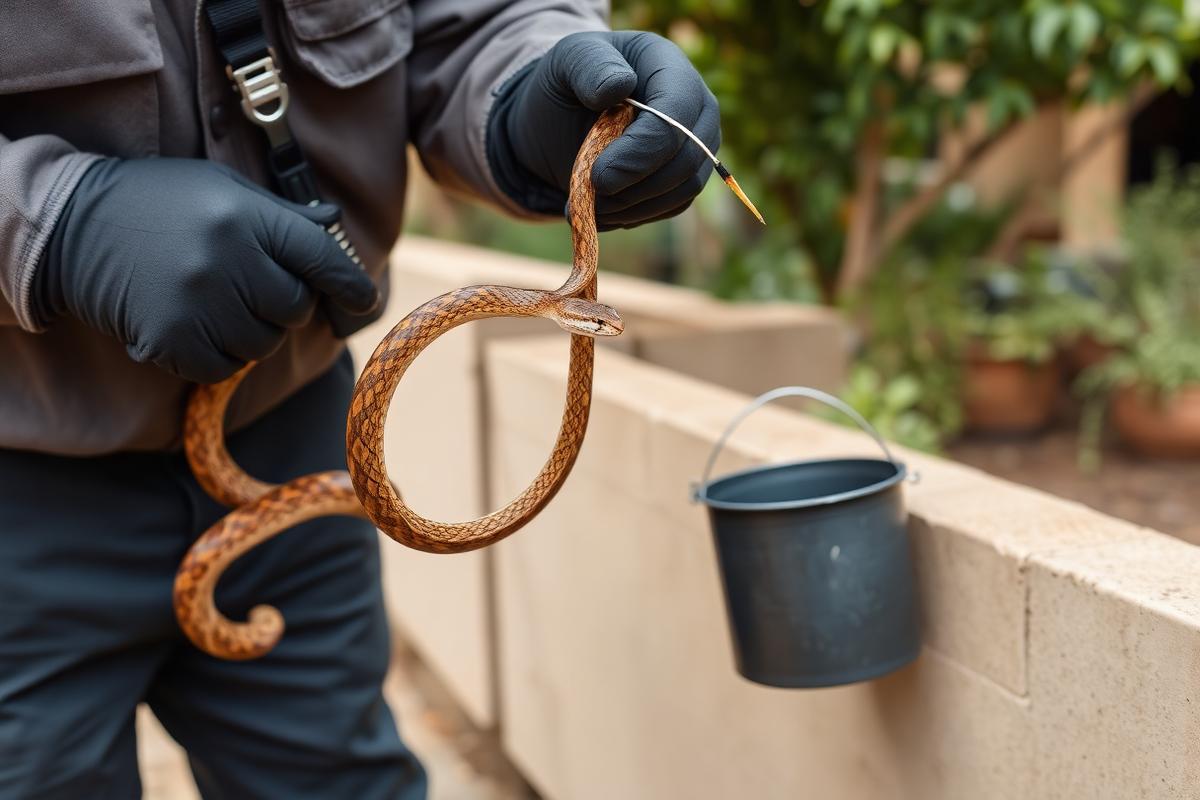 Snake RemovalFrom R1 200
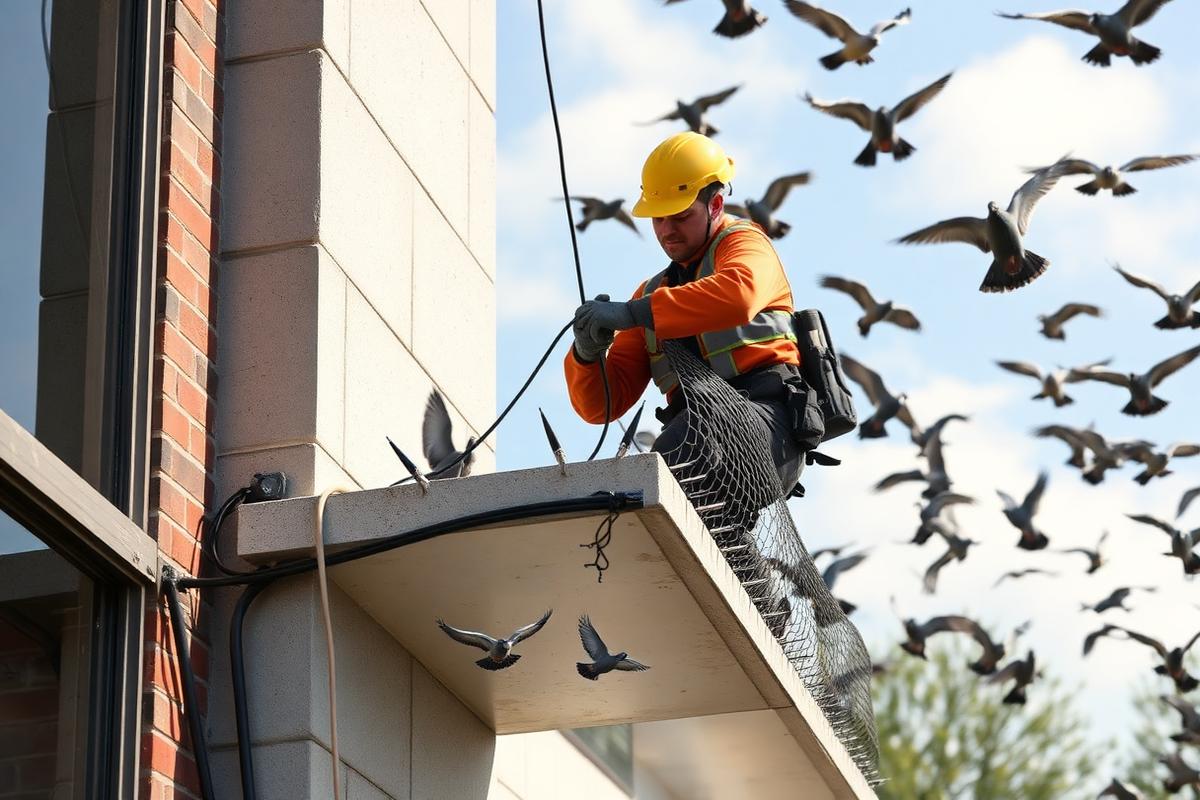 Bird Control & ProofingFrom R1 450