
Aston Manor has character. The homes here were built in an era when craftsmanship mattered — solid timber, generous proportions, and details you don't see in modern construction. But that same character creates pest challenges that require a different kind of expertise. When you're treating a home that's been standing for forty or fifty years, you can't just drill holes and spray chemicals indiscriminately. You need to understand the building, respect its history, and work with its quirks rather than against them.
I've treated Aston Manor homes where the original Oregon pine skirting boards were being eaten by termites, where the heritage bathroom's settled plumbing had created cockroach harbourage behind original tiles, and where the mature garden's tree roots had lifted foundations just enough to create rodent entry points. These aren't problems you solve with a standard treatment plan. They require assessment, adaptation, and skill.
At Kempton Pest Co, we specialise in established-home pest control. Our Aston Manor technicians understand older construction, original materials, and the specific vulnerabilities that develop as homes age. We don't damage heritage features. We don't recommend destructive treatments when gentler alternatives exist. And we understand that for Aston Manor homeowners, their property isn't just a house — it's a legacy.
The Aston Manor Pest Profile
Termites in Original Timber: Aston Manor's older homes feature timber that's been in place for decades — skirting boards, door frames, window sills, and structural elements. This timber, especially where it's in ground contact or has developed cracks and moisture damage, is highly attractive to subterranean termites. We've treated Aston Manor properties where termites had hollowed out original Oregon pine door frames while leaving the paint surface intact.
Cockroaches in Settled Kitchens: The kitchens in Aston Manor's older homes have character — original cabinetry, vintage fixtures, and settled plumbing that creates gaps behind and under units. These gaps, combined with the warm, humid environment created by older construction, provide ideal German cockroach harbourage. We've found cockroach populations behind dishwashers that hadn't been moved in fifteen years, living in the accumulated grease and moisture.
Rodents in Aging Roof Spaces: Aston Manor's roof designs often include eaves, overhangs, and voids that modern homes don't have. These spaces, combined with mature trees that have grown close to roofs over decades, create multiple rodent entry opportunities. We've inspected roof spaces where rats had been resident for so long that they'd created well-worn travel paths along rafters.
Ants in Mature Gardens: The gardens that make Aston Manor so pleasant also support significant ant populations. Argentine ants form super-colonies that span multiple properties. During wet weather, these colonies flood and send foraging lines toward homes. We've treated properties where ant trails entered through gaps in original window frames that had settled over decades.
Silverfish in Older Storage Areas: Aston Manor homes often have original built-in cupboards, linen presses, and storage areas that silverfish love. These pests feed on cellulose, glue, and starch — meaning they damage books, photographs, wallpaper, and fabric. In homes with original features and stored heirlooms, silverfish can cause significant damage.
Carpenter Bees in Original Timber: The solid timber features of Aston Manor homes — pergolas, fascia boards, and decorative elements — can attract carpenter bees that bore holes to create nesting galleries. While carpenter bees don't eat timber like termites, their boring weakens structural elements and creates entry points for moisture and other pests.
Our Aston Manor Heritage-Aware Approach
Conservation-First Inspection:
Our Aston Manor inspections are conducted with preservation in mind. We don't force access where it would damage original features. We use non-invasive detection methods where possible — moisture meters, thermal imaging, and acoustic detection for termites. When we do need to access voids or cavities, we do so carefully, documenting conditions and minimising impact.
Timber-Safe Treatments:
For termite management in older homes, we prefer baiting systems and targeted soil treatments over extensive drilling where possible. When drilling is necessary, we locate access points strategically and repair them properly. We use timber preservatives that protect without discolouring or damaging original finishes.
Kitchen Restoration Integration:
For cockroach issues in older kitchens, we often recommend that treatment be combined with minor restoration work — resealing behind appliances, replacing deteriorated cabinet backing, or improving ventilation. We can coordinate with tradespeople who specialise in older homes, or advise you on what to request.
Discrete Exterior Work:
Our exclusion work on Aston Manor homes is designed to be invisible. We colour-match sealants and flashing to existing finishes. We preserve original vent designs while adding discreet mesh protection. The goal is pest exclusion that doesn't alter the home's appearance.
Silverfish Management for Heirlooms:
For silverfish in storage areas with valuable contents, we use low-toxicity treatments and physical controls — desiccant dusts in voids, improved ventilation, and advice on storage methods that protect heirlooms. We never spray directly on books, photographs, or fabric.
Case Study: Termite Management in Aston Manor Heritage Home
The Van der Merwe family (name changed) had owned their Aston Manor home for twenty years. The house was built in 1978 with extensive Oregon pine features — skirting boards, door frames, window sills, and a wrap-around veranda with solid timber posts. They called us after noticing that their front door was sticking and the adjacent skirting board seemed loose.
Our inspection revealed active subterranean termites in the front door frame, two adjacent skirting boards, and the timber veranda posts where they met the soil. The termites had been active for at least two years, consuming timber from the inside while leaving paint surfaces intact. The door frame was structurally compromised and needed replacement.
We implemented a careful treatment plan:
- Soil barrier treatment around the affected areas using a termiticide that wouldn't damage garden plantings
- Above-ground bait stations installed on the veranda posts to intercept foraging termites
- Treatment of the remaining timber features with a borate-based preservative that protects against future infestation
- Advice on removing soil-to-timber contact by creating concrete collars around veranda posts
- Coordination with a carpenter who specialised in heritage timberwork for door frame replacement
The termite activity ceased within eight weeks. The bait stations continue to monitor for any new activity. The Van der Merwes told us they appreciated that we treated their home's heritage with the same care we applied to pest elimination.
Aston Manor Pest Control Pricing
- Standard Home Treatment: From R850
- Heritage-Aware Termite Inspection: R750 (includes timber condition assessment)
- Termite Treatment: Custom quote based on extent and timber type
- Rodent Control (including heritage exclusion): From R1,400
- Cockroach Treatment (older kitchen): From R1,000
- Silverfish Management: From R850
- Annual Heritage Protection Plan: From R3,200 per year
Frequently Asked Questions — Aston Manor Pest Control
Will pest treatment damage my home's original features?
No. We're experienced in working with older homes and take every precaution to preserve original features. Our treatments and exclusion work are designed to be effective without being destructive.
How do I know if termites are affecting my original timber?
Signs include doors or windows that stick or don't close properly, skirting boards that feel spongy or sound hollow when tapped, mud tubes on foundation walls, and unexplained ceiling stains. If your home is over 20 years old and hasn't had a termite inspection in the last two years, we strongly recommend booking one.
Can you treat silverfish without damaging my books and photographs?
Absolutely. We use treatments that target silverfish in voids and harbourage areas without applying chemicals directly to valuable items. We also advise on storage improvements — airtight containers, dehumidification, and regular inspection — that protect heirlooms long-term.
Why are cockroaches so persistent in older kitchens?
Older kitchens have settled plumbing that creates gaps behind and under cabinets, wall voids that cockroaches exploit, and often less ventilation than modern kitchens. These structural factors, combined with accumulated organic matter in hard-to-clean areas, create ideal cockroach habitat. Treatment needs to address both the insects and the conditions that support them.
Do you work with heritage tradespeople for repairs?
We don't perform building repairs ourselves, but we can recommend carpenters, plumbers, and restoration specialists in the Kempton Park area who understand older homes. We coordinate with them to ensure pest management and repairs work together.
How often should an older Aston Manor home have pest control?
For homes over 30 years old, we recommend quarterly treatments plus an annual termite inspection. The older construction and settled features create ongoing vulnerabilities that benefit from regular monitoring and maintenance.
Internal Links
- Pest Control Kempton Park — Central hub
- Pest Control Edleen — Similar established suburb
- Pest Control Van Riebeeck Park — Nearby suburb
- Home Cleaning Aston Manor — Residential cleaning
- Deep Cleaning Services — Post-pest cleaning
Image Alt Text Recommendations
Kempton Pest Co technician carefully inspecting original timber door frame for termite activity in Aston Manor homeHeritage-aware termite bait station installed on veranda post of Aston Manor propertySettled plumbing gap behind original kitchen cabinet identified as cockroach harbourage in Aston ManorDiscrete rodent-proofing work on aging fascia board of Aston Manor homeKempton Pest Co team treating garden perimeter while preserving mature landscaping in Aston Manor
CTA
Protect your Aston Manor heritage home with expert care.
Call or WhatsApp 073 583 3301 today. Heritage-aware pest control. Established home specialists. Free quotes for Aston Manor properties.


Six core pest treatments — fixed quote, 30-day guarantee.
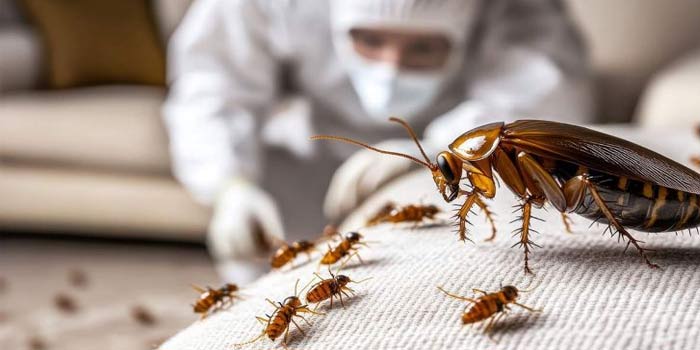
 Cockroach ControlFrom R650
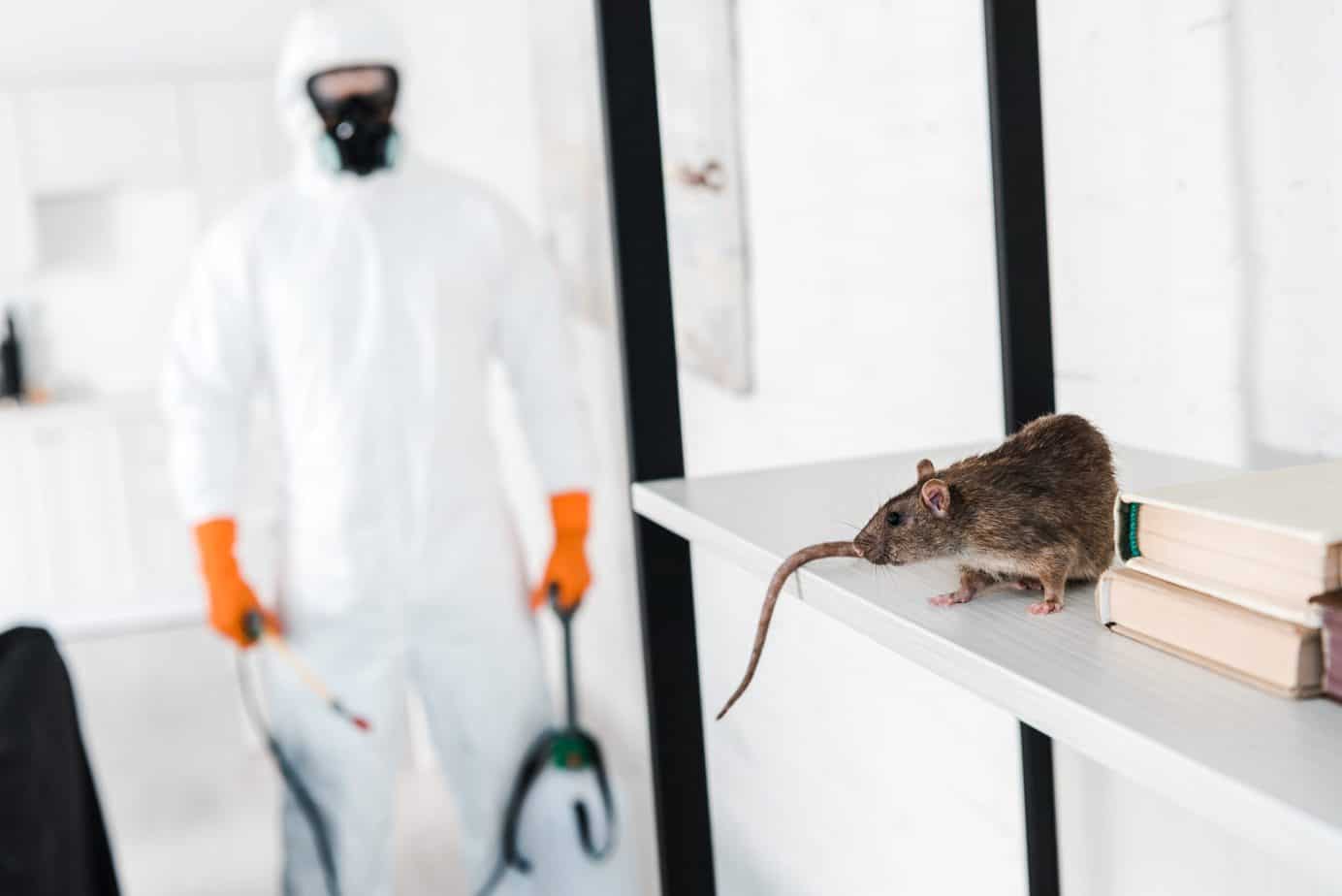
 Rodent ControlFrom R850
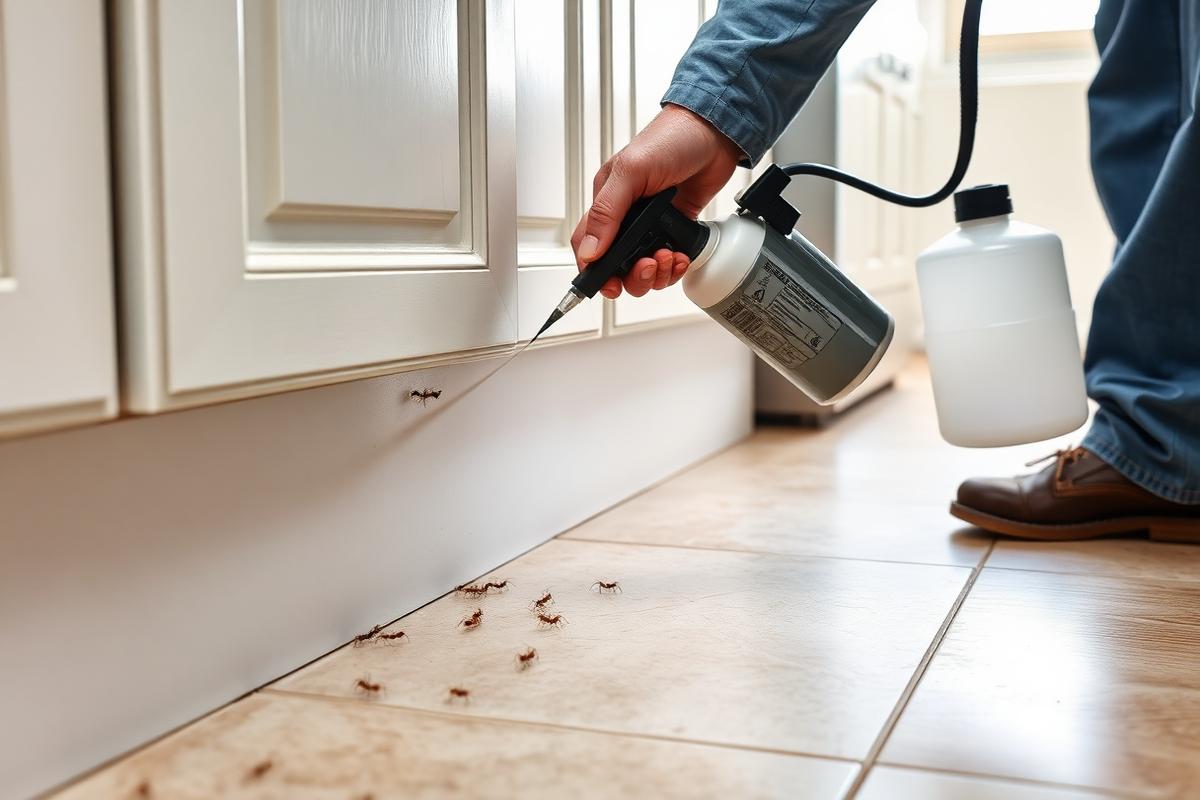 Ant ControlFrom R550
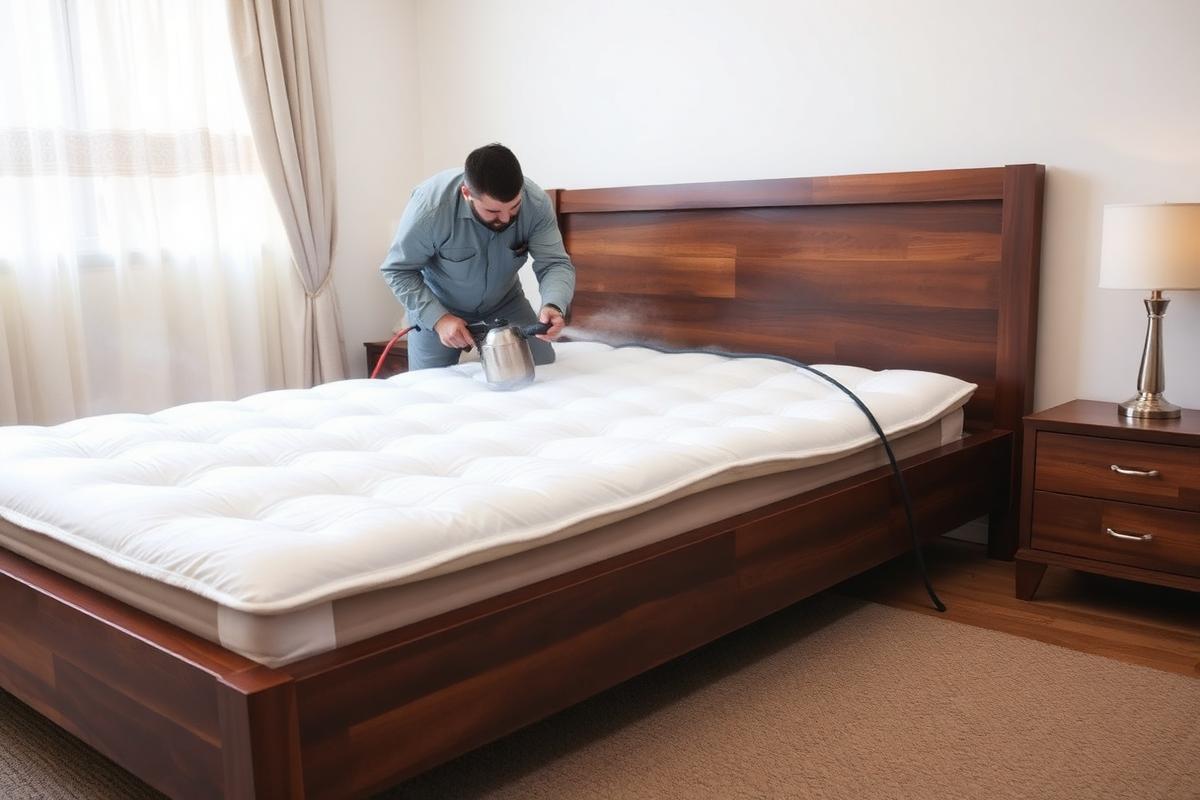 Bed Bug TreatmentFrom R1 450 / room
 Flea & Tick ControlFrom R750
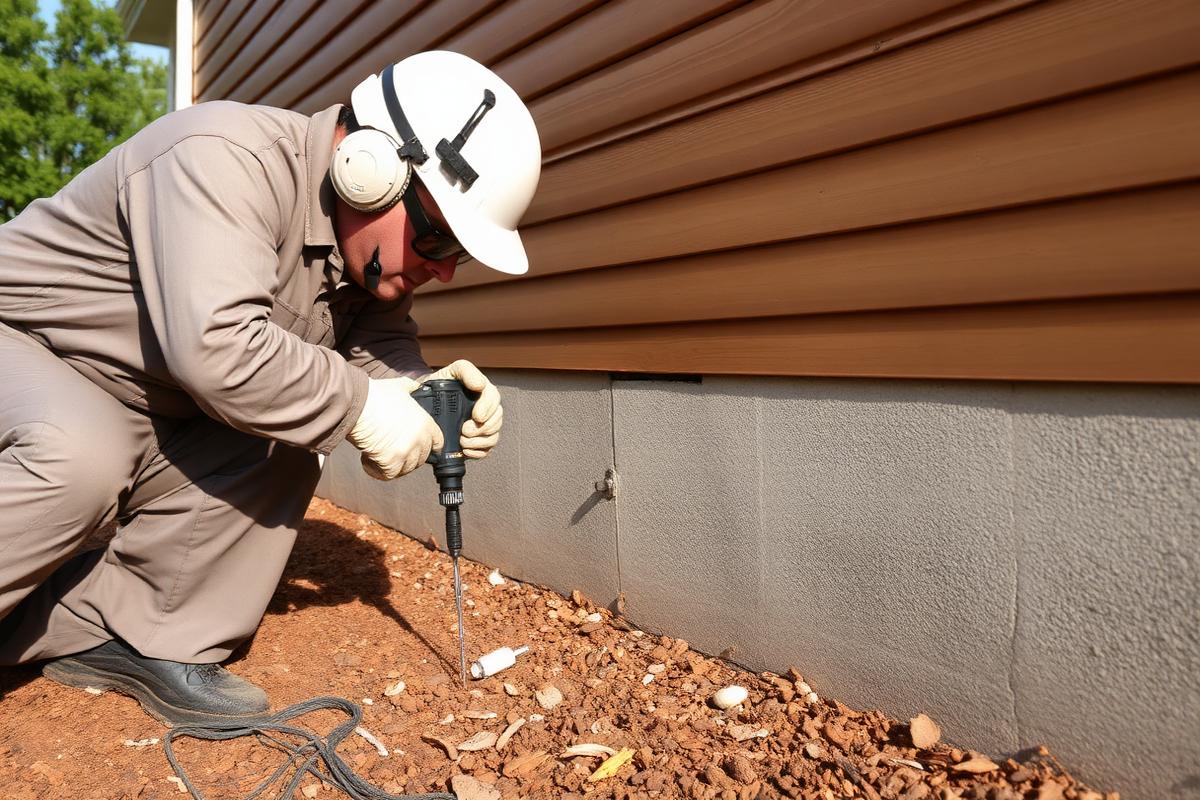 Termite ControlFrom R1 950
 Fumigation ServicesFrom R2 450
 Industrial Pest ControlCustom quote
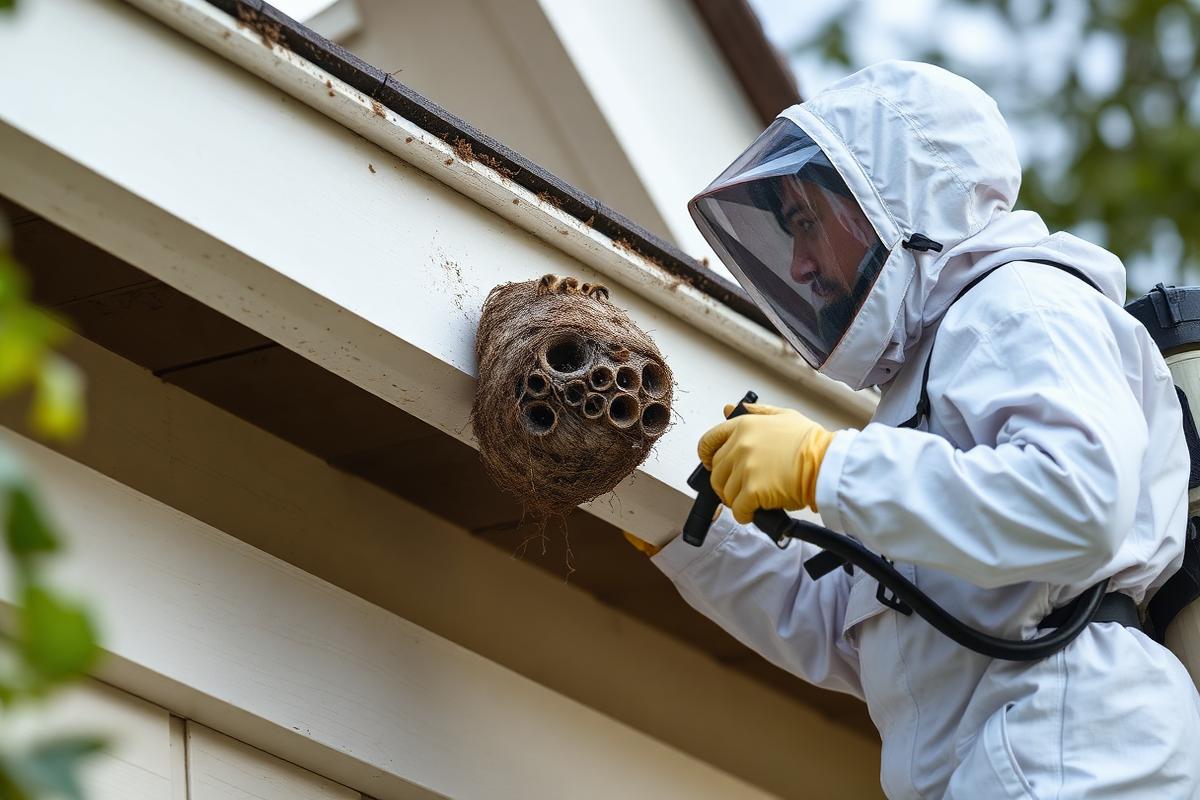 Wasp & Bee RemovalFrom R750
 Spider ControlFrom R650
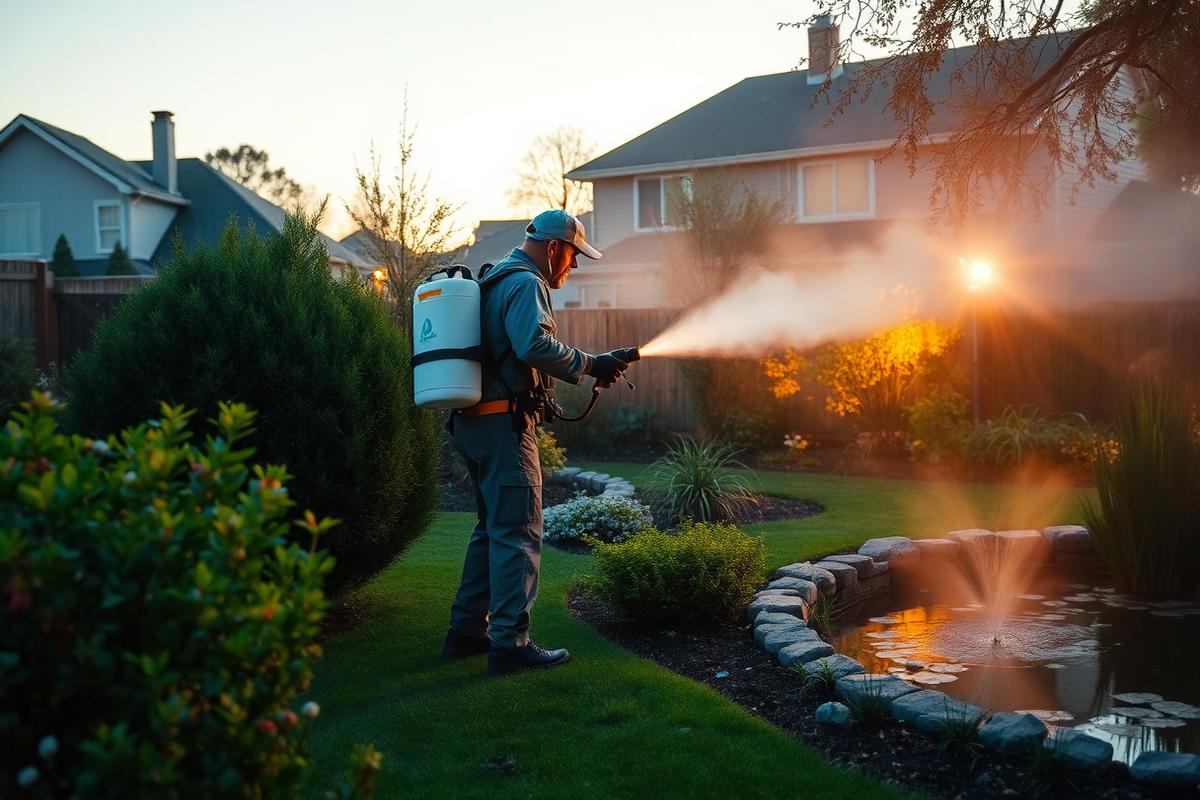 Mosquito ControlFrom R950
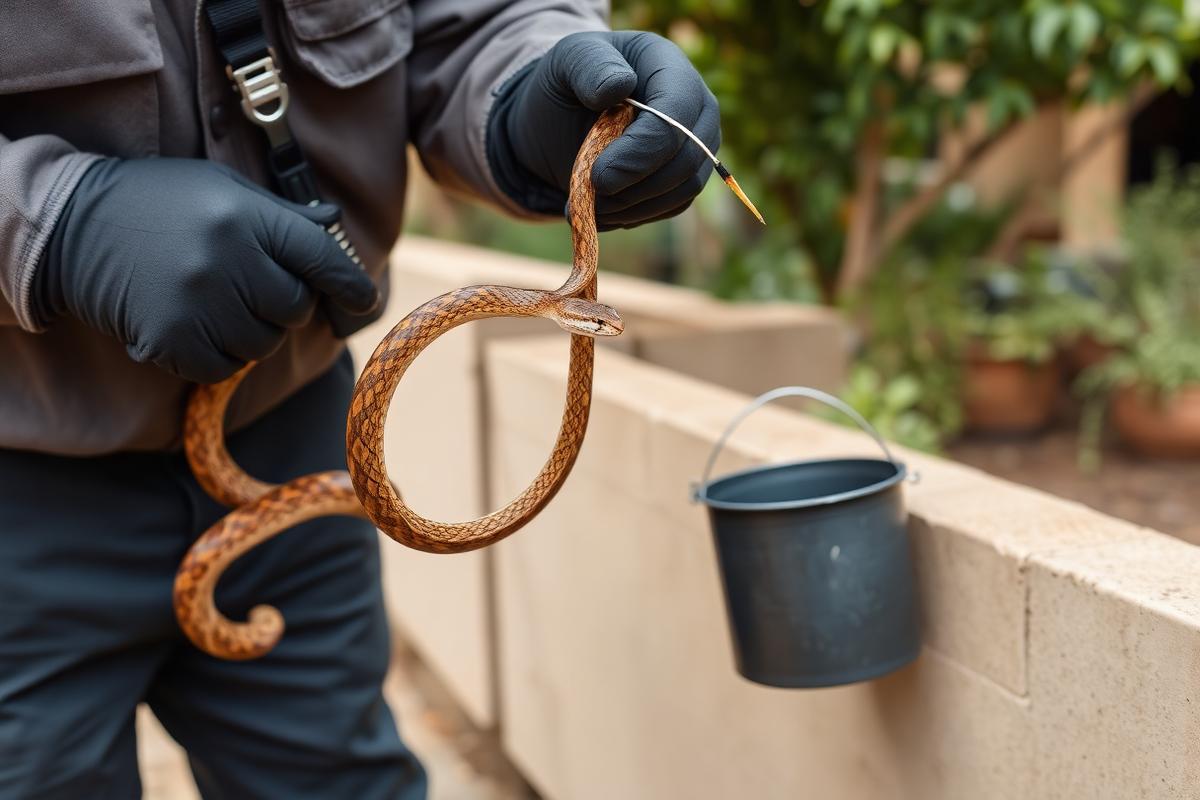 Snake RemovalFrom R1 200
 Bird Control & ProofingFrom R1 450