
Rodent
House Mouse
Mus musculus
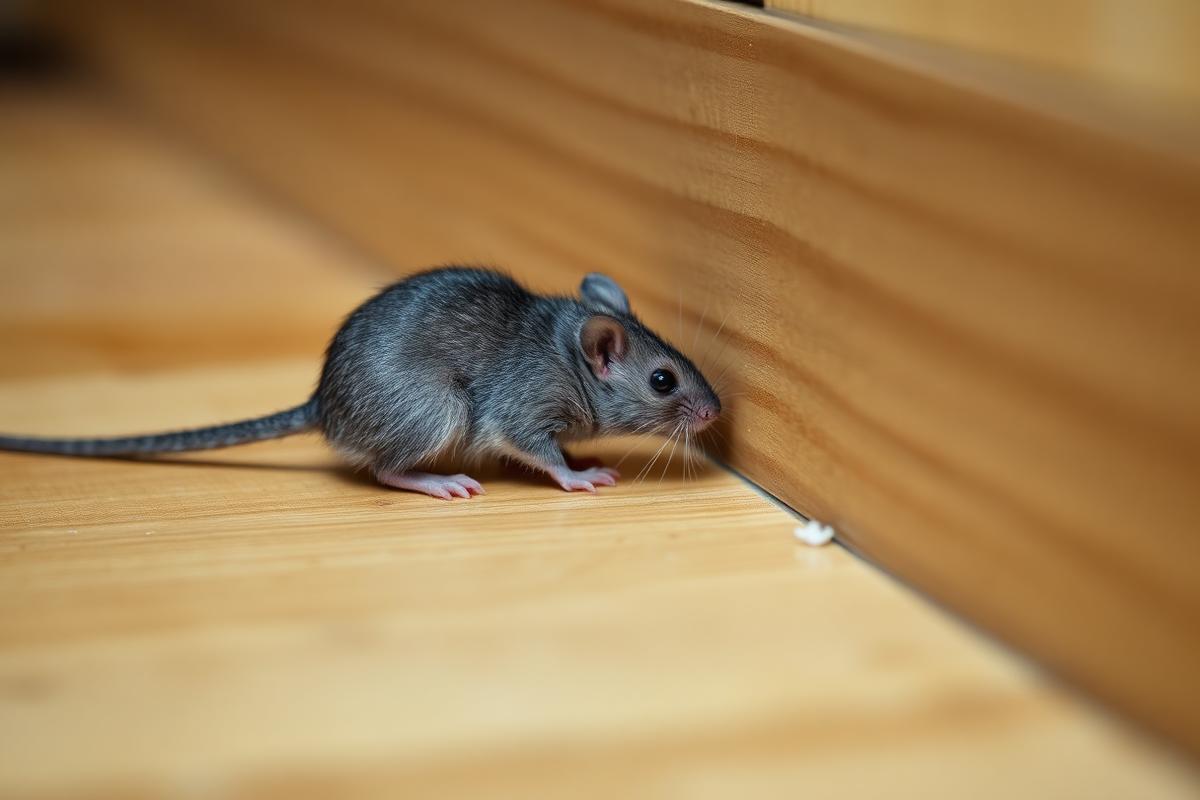
House mice are the small grey rodents most commonly heard scurrying in roof voids and ceilings across Birchleigh, Norkem Park and Edleen homes. They breed every three weeks, need only 6 mm gaps to enter, and contaminate far more food than they consume. Snap-trap arrays plus exterior bait stations and entry sealing form the gold-standard treatment.
How to identify
- 70–95 mm body, large ears, pointed snout
- Tail roughly equal to body length
- Droppings 3–6 mm, rice-shaped with pointed ends
- Faint musky urine smell in cupboards or roof voids
Where they hide
- Roof voids, ceilings and insulation
- Pantries, cereal cupboards and pet-food bins
- Wall cavities, geyser cupboards and electrical conduits
- Garage shelving and seldom-opened storage boxes
Health & property risks
- Spreads salmonella through droppings and urine
- Chews wiring insulation in roof voids
- Damages stored food, fabric and documents
- Carries fleas and mites into living spaces
Prevention tips
- Seal gaps around pipes, vents and roof eaves
- Store pet food in sealed metal containers
- Trim overhanging tree branches away from the roof
- Install snap-trap arrays at the first signs
FAQs
House Mouse — answered
Everything Kempton Park homeowners ask before booking treatment.
More pests we identify and treat
Reserve Your Cleaning
Got house mouses? We'll handle it.
Same-day rodent control across Kempton Park — call 083 568 5912.