
Insect
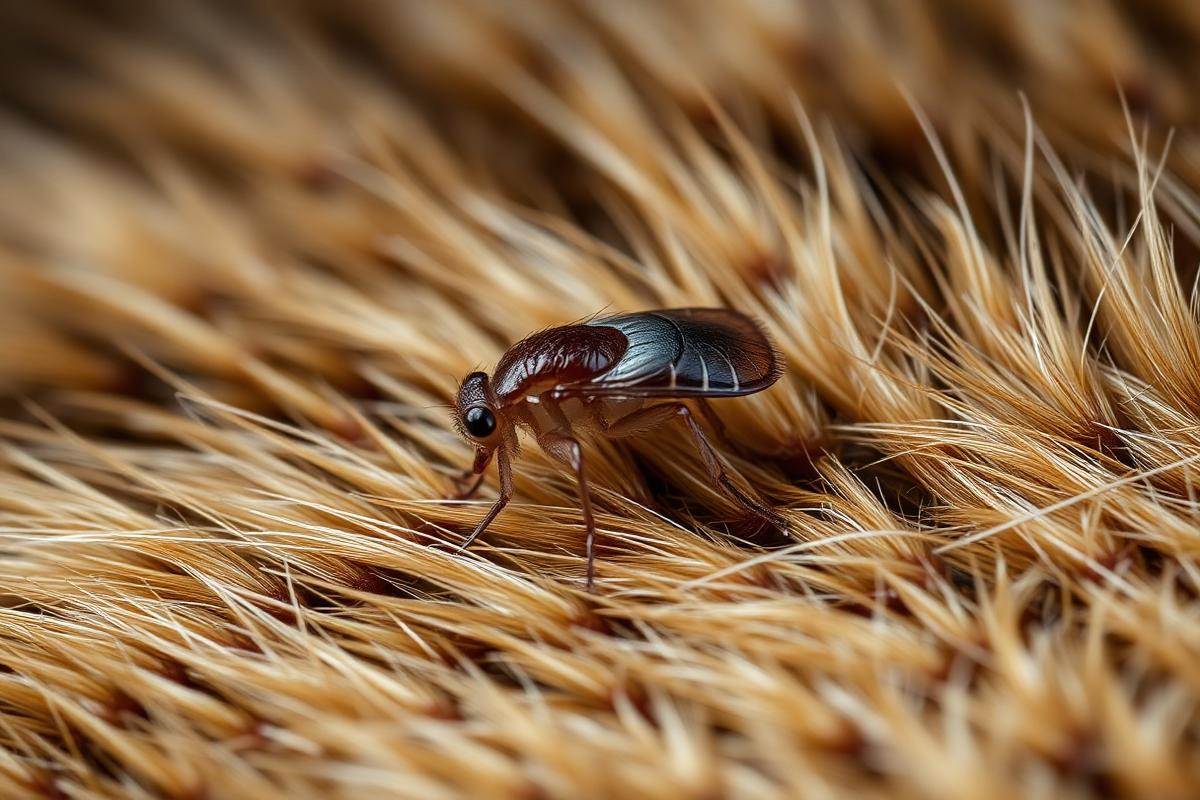
Cat Flea
Ctenocephalides felis
Despite the name, the cat flea is the dominant flea on both dogs and cats in South Africa, and the species behind virtually every household flea outbreak. Adults bite humans around the ankles, while eggs and larvae develop in carpets, pet bedding and skirting cracks. Yard fogging plus indoor residual treatment is essential — vet treatment alone never clears the home.
How to identify
- 1.5–3 mm dark brown, flattened, jumping insects
- Tiny black 'flea dirt' specks on pet bedding
- Itchy bites in clusters around ankles and lower legs
- Pets scratching, biting at base of tail
Where they hide
- Pet bedding, sleeping spots and couches
- Carpet pile, rug undersides and skirting cracks
- Garden lawns, shaded soil and under decks
- Vehicles transporting pets
Health & property risks
- Transmits tapeworm and bartonella to pets
- Causes flea allergy dermatitis in dogs and cats
- Itchy welts in humans, especially children
- Population explodes within weeks if untreated
Prevention tips
- Wash pet bedding weekly at 60°C
- Vacuum daily during an active outbreak
- Treat indoor and outdoor zones together
- Maintain monthly pet flea-control on the vet's plan
FAQs
Cat Flea — answered
Everything Kempton Park homeowners ask before booking treatment.
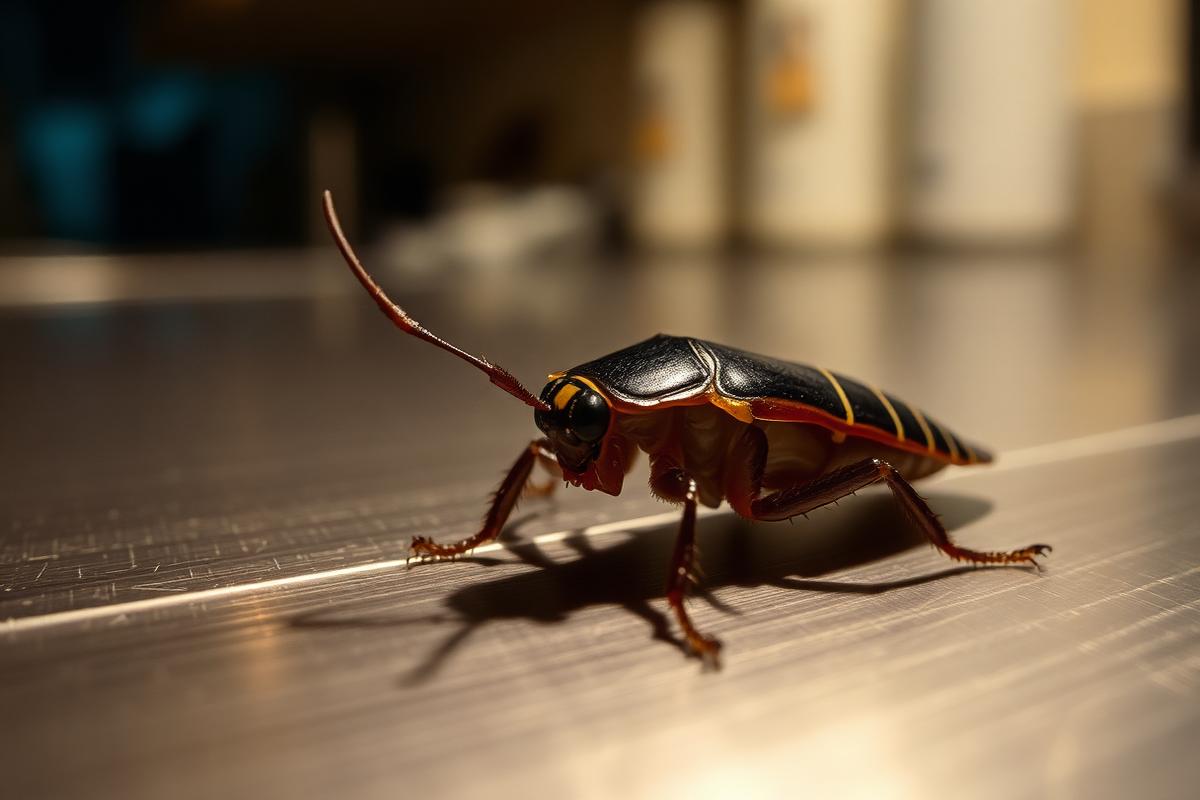
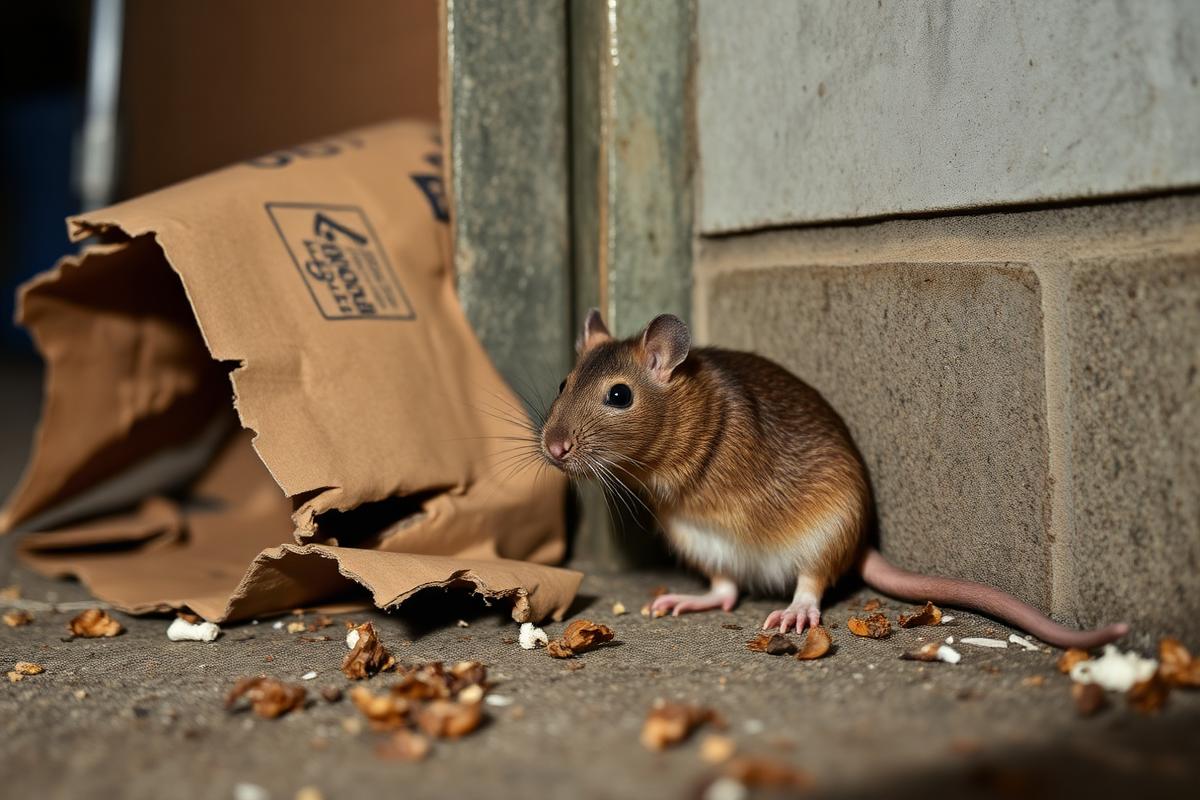
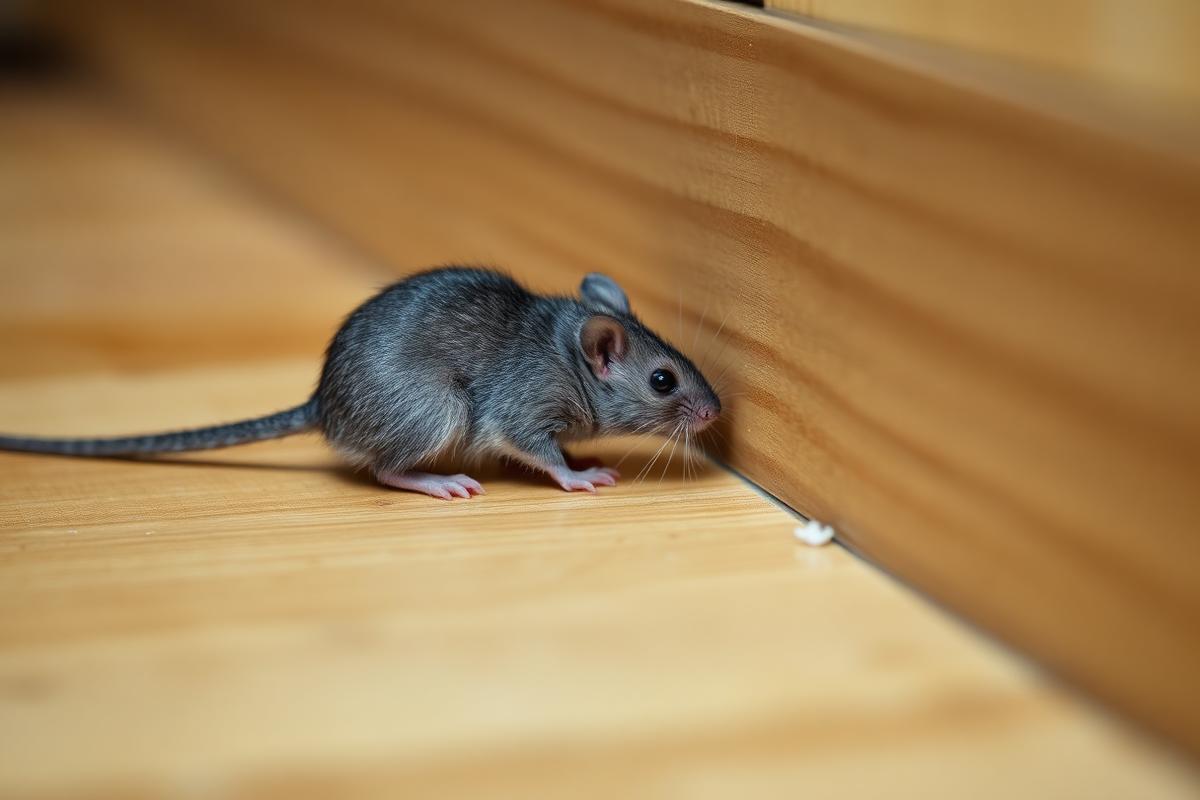
More pests we identify and treat
Reserve Your Cleaning
Got cat fleas? We'll handle it.
Same-day flea & tick control across Kempton Park — call 083 568 5912.