
Insect
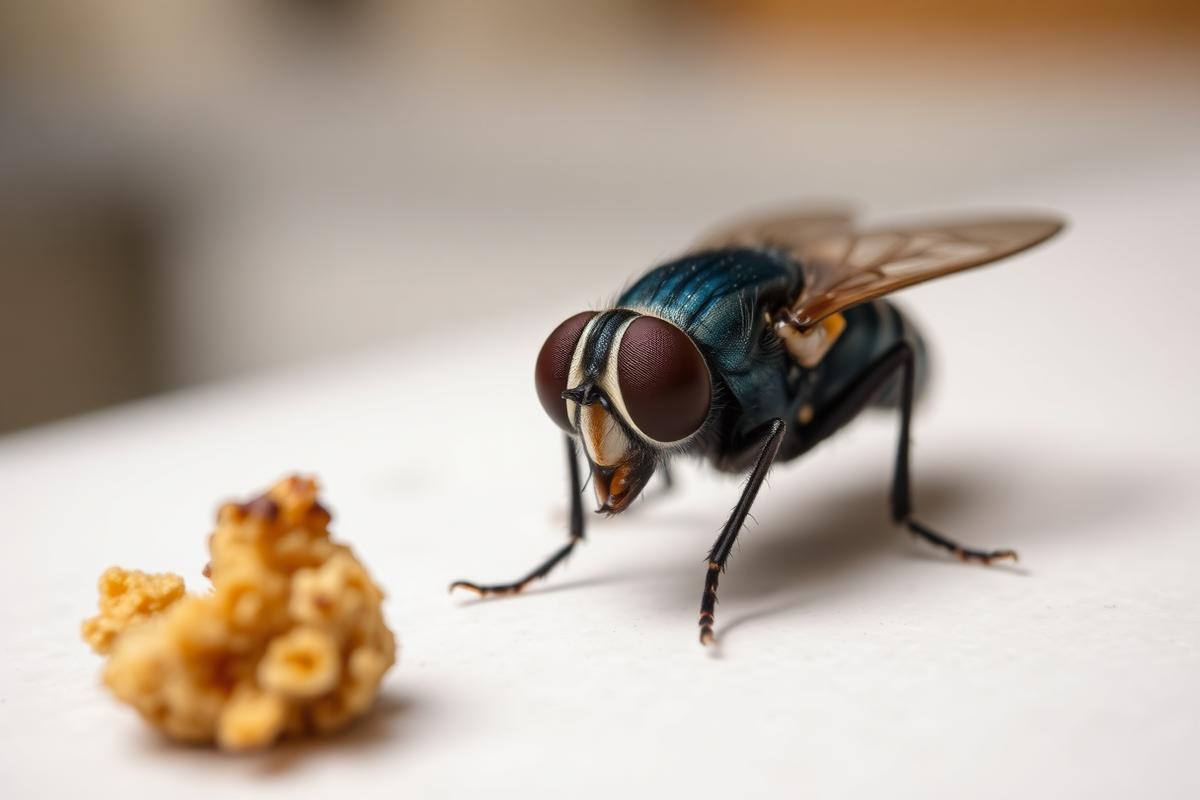
House Fly
Musca domestica
The common house fly breeds in animal waste, rotting organic matter and refuse, then lands on human food and surfaces, transferring more than 100 pathogens including Salmonella, E. coli, Shigella and Campylobacter. Restaurants, butchers, takeaways and food-handling businesses across Kempton Park need an integrated programme of breeding-source removal, fly screens, light traps and external residual treatment.
How to identify
- 6–7 mm grey body with four dark thorax stripes
- Two wings, large compound red eyes
- Lays eggs on rotting organic matter and faeces
- Maggots in bins, drains and animal waste
Where they hide
- Restaurant kitchens and waste enclosures
- Butchers, takeaways and food-prep areas
- Stables, kennels and chicken coops
- Bin areas and compost heaps
Health & property risks
- Carries Salmonella, E. coli, Shigella, Campylobacter
- Contaminates open food and food-prep surfaces
- Triggers health-inspection warnings and closures
- Damages restaurant reviews and brand reputation
Prevention tips
- Daily emptying of bins with sealed liners
- Fly-screen all kitchen and prep-area windows
- Install UV light traps at staff/back-of-house entrances
- External residual + breeding-source treatment monthly
FAQs
House Fly — answered
Everything Kempton Park homeowners ask before booking treatment.
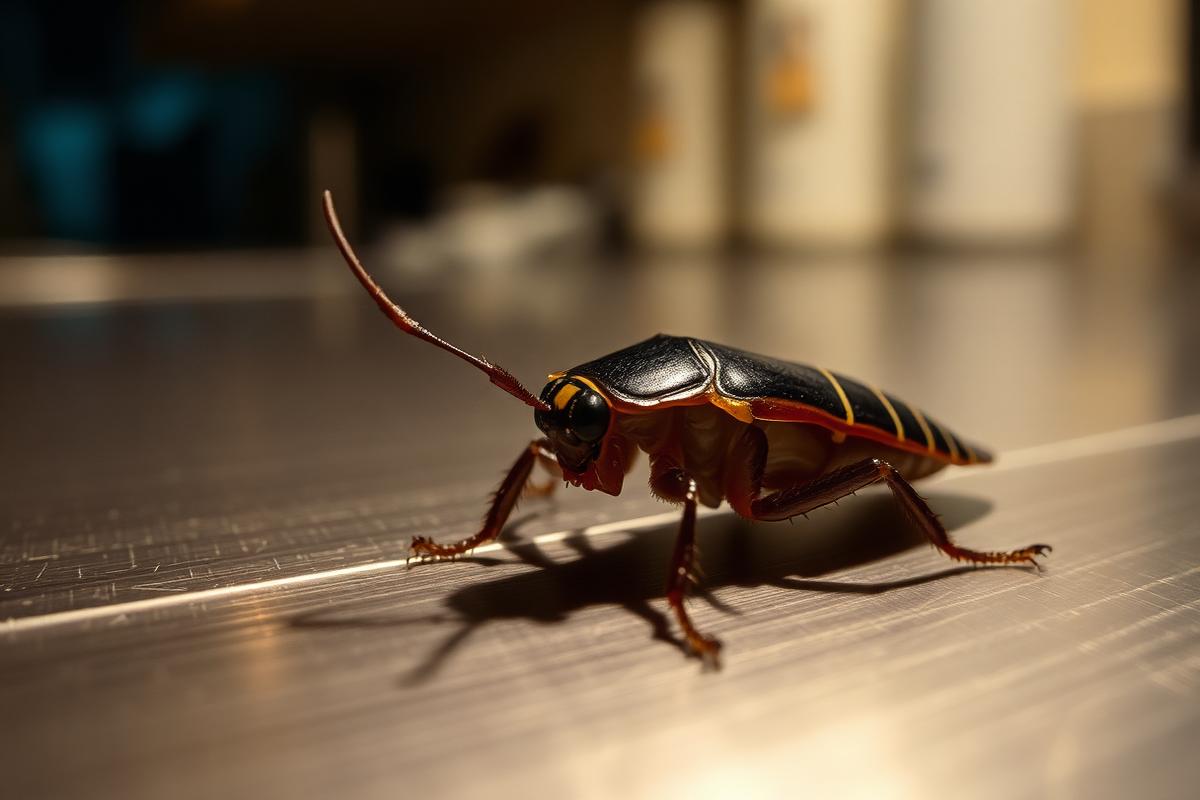
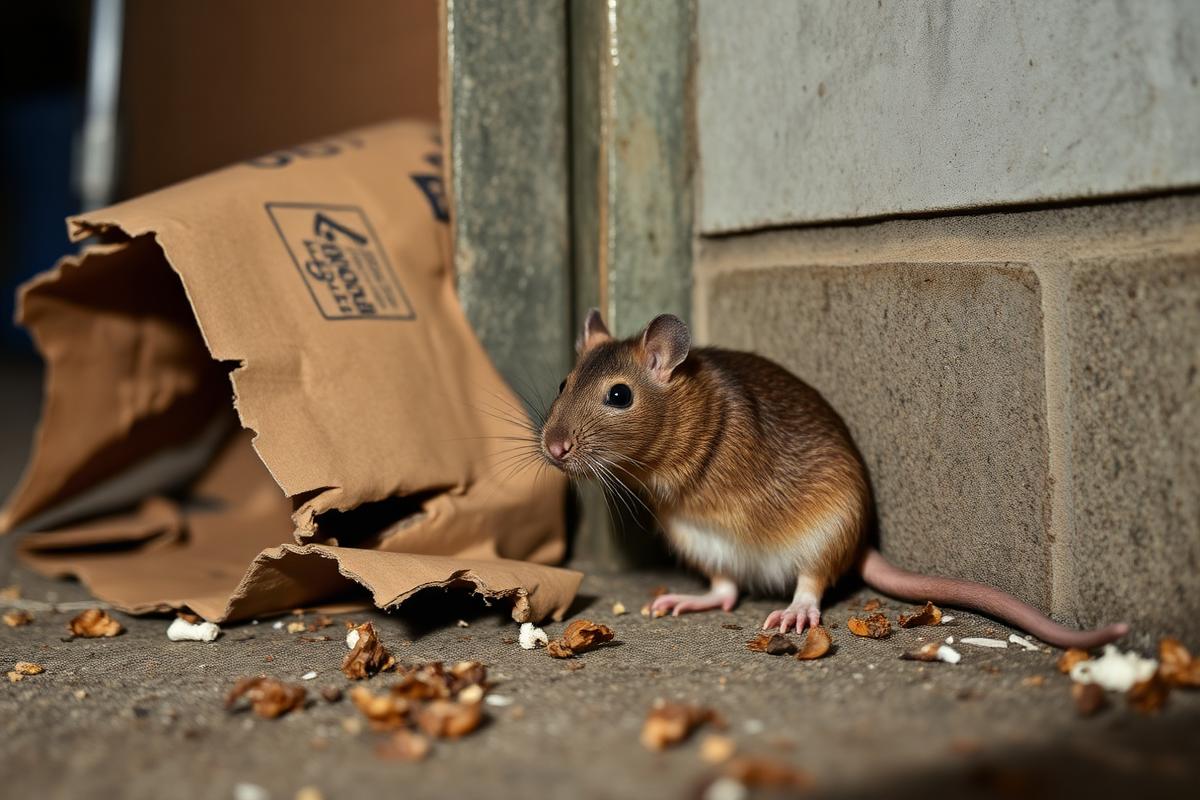
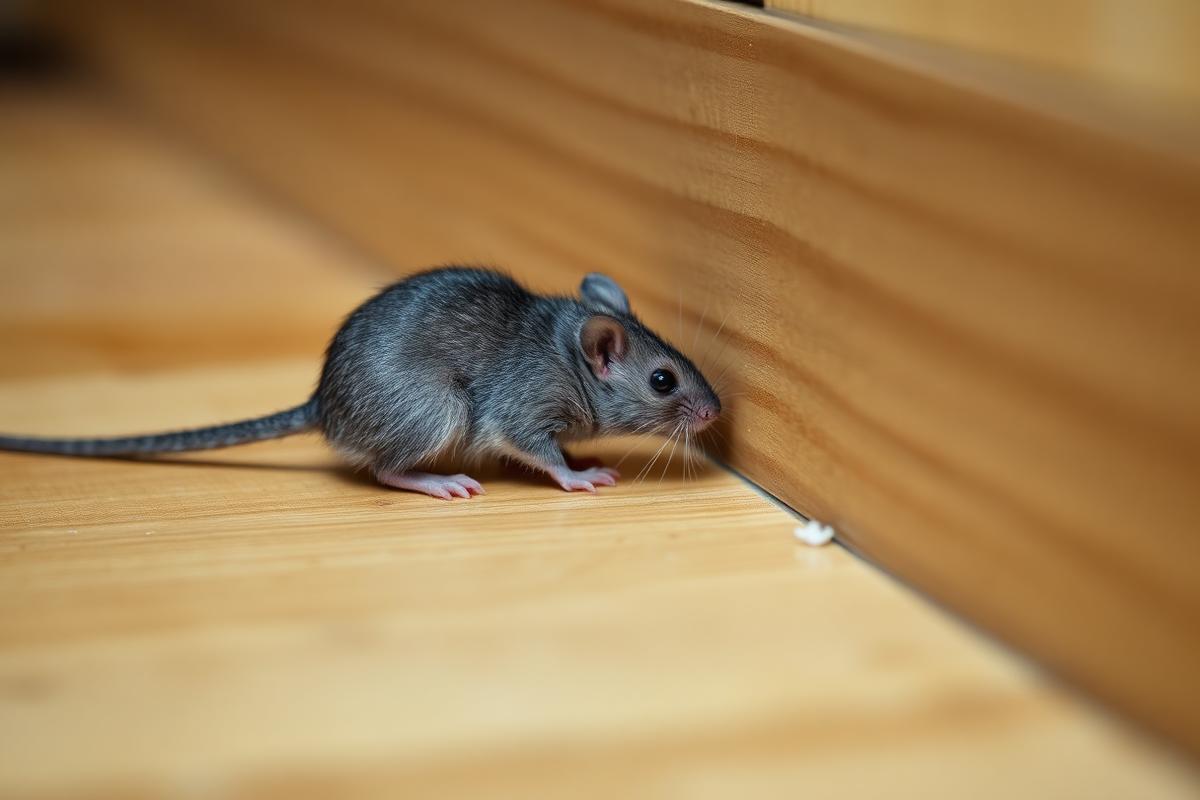
More pests we identify and treat
Reserve Your Cleaning
Got house flys? We'll handle it.
Same-day fumigation services across Kempton Park — call 083 568 5912.