Eco-friendly cleaning products: what South African homes should actually use
South African households spend an average of R2 400/year on cleaning products — most of which contain chemicals that off-gas into your air, irritate skin and eyes, harm pets, and end up in our water systems. The good news: modern eco-friendly cleaners now match conventional products on performance, without the trade-offs. Here's what to look for, what to avoid, and what we use in homes across Kempton Park.
Why switch to eco-friendly products?
Three reasons that compound:
- Air quality: VOCs from conventional cleaners linger in indoor air for hours
- Skin and eye safety: harsh ingredients trigger reactions in kids, asthmatics and pets
- Environmental impact: phosphates and surfactants damage SA's already-stressed water systems
- Long-term cost: many concentrate refills are 30-50% cheaper per use than supermarket brands
What to look for on the label
These are the markers of a genuinely eco product, not just greenwashing:
- Plant-based surfactants (not petroleum-derived)
- Biodegradable in 28 days or less (look for OECD 301B)
- No phosphates, chlorine, ammonia or formaldehyde
- Refillable or concentrate options (less plastic waste)
- Locally manufactured (lower carbon footprint)
- Independent eco-certifications (EcoLogo, Green Seal, EU Ecolabel)
Greenwashing red flags to ignore
If you see any of these without third-party certification, treat it as marketing:
- 'Natural' on the front but no ingredient list on the back
- Pictures of leaves and waterfalls but no certification logos
- 'Plant-based' without a percentage stated
- 'Non-toxic' without specifying which toxins are excluded
South African eco brands worth using
Brands we've tested in real homes that genuinely perform:
- Triple Orange (locally made, broad range, supermarket availability)
- Better Earth (biodegradable, refill-friendly)
- Pure Beginnings (baby-safe, household range)
- Earthsap (concentrate-based, very cost-effective)
- Faithful to Nature own-brand (eco standard at fair price)
What we use in our cleaning service
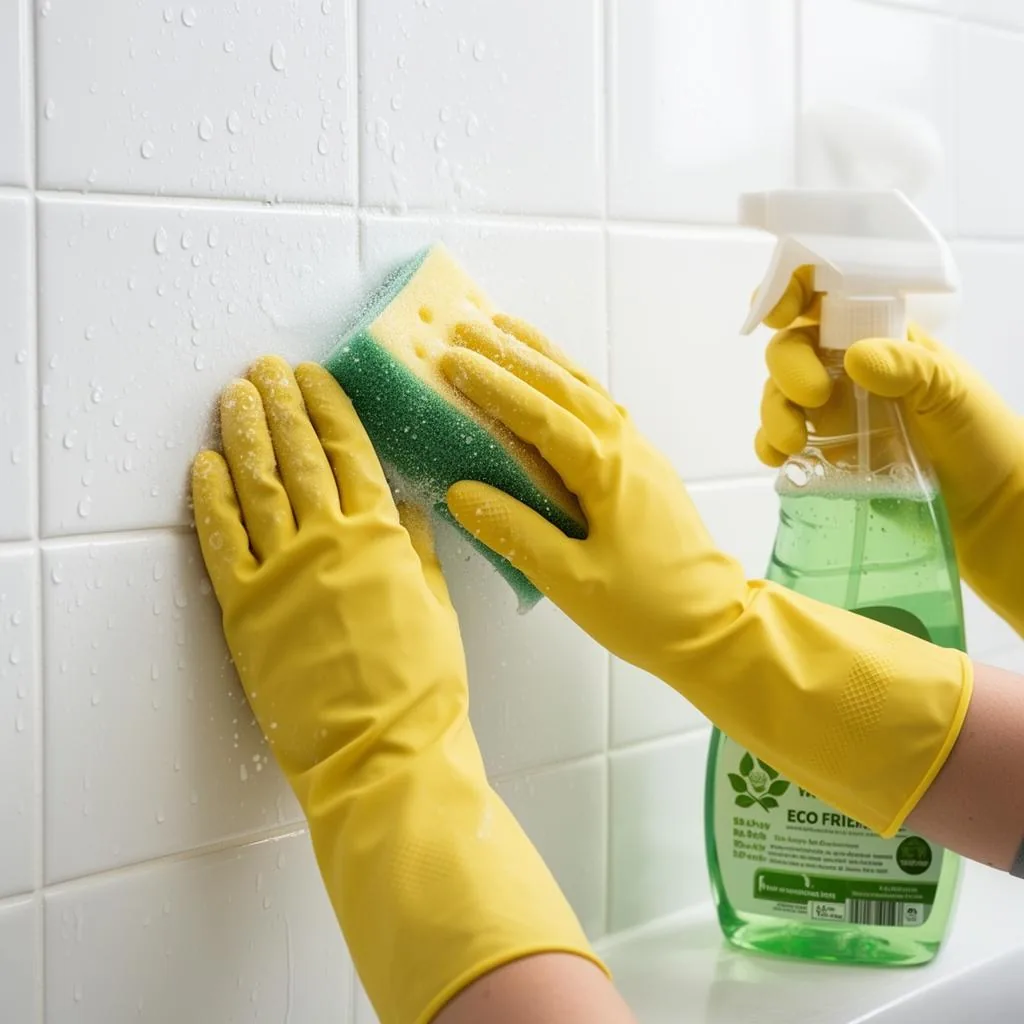
Our cleaners arrive with a curated kit of eco-certified, hospital-grade products: enzymatic kitchen degreaser, oxygen-based bathroom cleaner, plant-based glass cleaner, microfibre cloths (washed and reused), and HEPA-filtered vacuums. Safe for kids, pets and pregnant residents — and tough on grime. Just request 'eco only' when you book and we'll bring the eco-only kit.
DIY eco recipes that actually work
Some chores don't need a special product:
- Glass cleaner: 1 part white vinegar + 4 parts water + 5 drops dish soap
- All-purpose: 1 part white vinegar + 1 part water + lemon peel (steep 1 week)
- Drain freshener: half cup baking soda + half cup vinegar + boiling water
- Limescale remover: white vinegar + 30 minutes contact time
- Carpet deodoriser: baking soda + 10 drops essential oil, sprinkle, vacuum
What to avoid (toxic conventional staples)
These commonly sold cleaners are worth replacing first:
- Bleach (chlorine fumes, mixes dangerously with ammonia)
- Aerosol air fresheners (VOC heavy, trigger asthma)
- Oven cleaner (sodium hydroxide, severe burn risk)
- Drain cleaner (sulfuric acid, harmful to pipes and skin)
- Anti-bacterial wipes (triclosan, antibiotic resistance concerns)
Frequently asked questions
Same-day cleaning available across Kempton Park.