Why Gauteng homes are termite-prone
Subterranean termite species (Microcerotermes and Macrotermes) are widespread across the Gauteng highveld. They build vast underground colonies and forage outward looking for cellulose — wooden trusses, embedded skirtings, doorframes, floorboards and books. Older homes in Kempton Park, Edenvale, Bedfordview and Germiston with original timber trusses are particularly vulnerable. New builds aren't immune either — anywhere termiticide barriers were skipped at slab-pour, termites find a way in within 5-10 years.
The 9 warning signs to watch for
Catch termites early and treatment is straightforward; miss them and roof-truss replacement starts at R150 000. The signs:
- Pencil-thick mud tubes running up exterior walls, garage walls or interior wall corners
- Sagging or hollow-sounding ceiling boards or wooden floor sections
- Soft, blistered paint on wooden door frames or skirtings
- A faint sweet-rotting smell in roof voids (heavy infestations only)
- Piles of discarded wings near windows, doors or light fittings — usually in October-December
- Flying termites (alates) swarming after a summer rain
- Floors that flex underfoot where they used to be rigid
- Tiny holes in skirtings with sandy excretion below
- Cracks in plaster following the line of an embedded timber beam
Termites vs flying ants — how to tell them apart
This matters because the treatment is completely different:
- Termite alate: straight antennae, equal-length wings, broad waist
- Flying ant: elbowed antennae, unequal-length wings (front larger than back), narrow waist
- If in doubt: termite wings shed easily; flying ant wings stay attached
- A swarm of termite alates inside your home means an established colony underneath or nearby — book an inspection within 48 hours
What termite damage actually looks like
Subterranean termites eat with the grain, hollowing wood from the inside while leaving a paint-thin outer veneer. A truss member can look intact and crumble at a touch. Floorboards develop a hollow drum sound. Door frames split along their length when leaned on. By the time you see visible damage, the colony has usually been active for 18-36 months.
Professional treatment options
Three proven treatment routes — we recommend based on construction type and infestation severity:
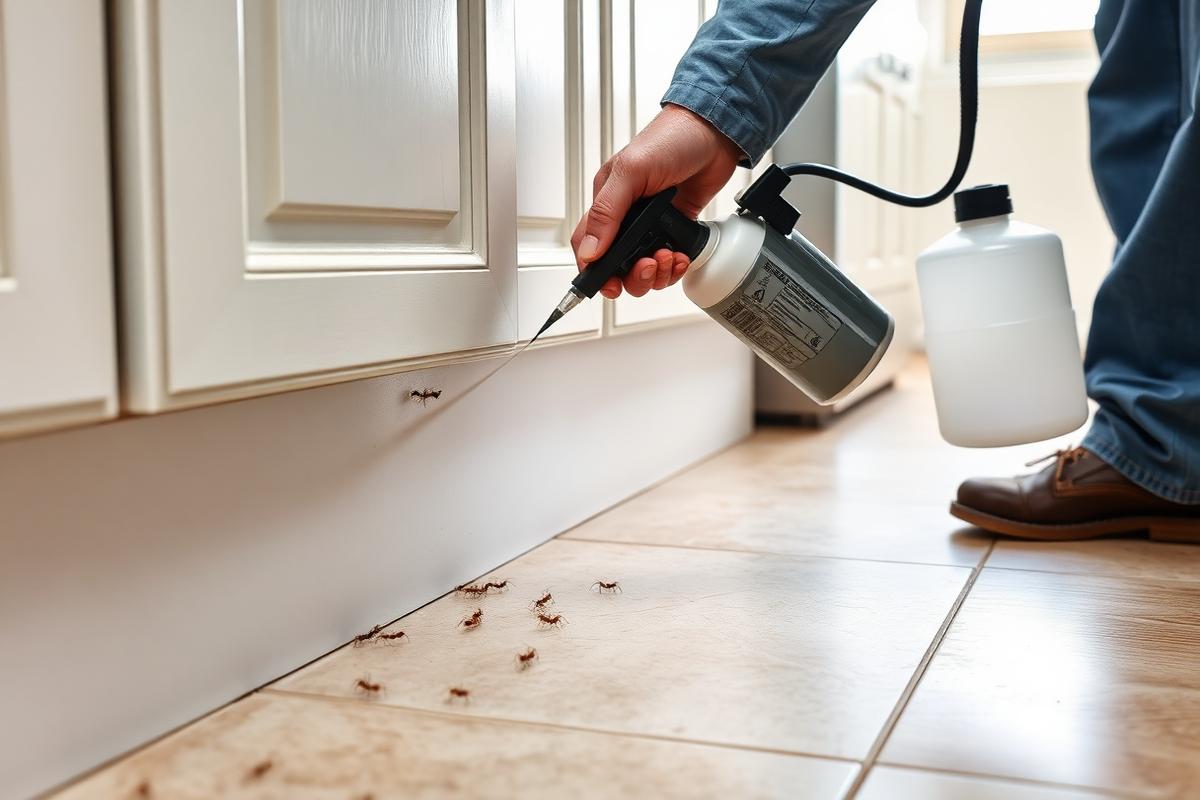
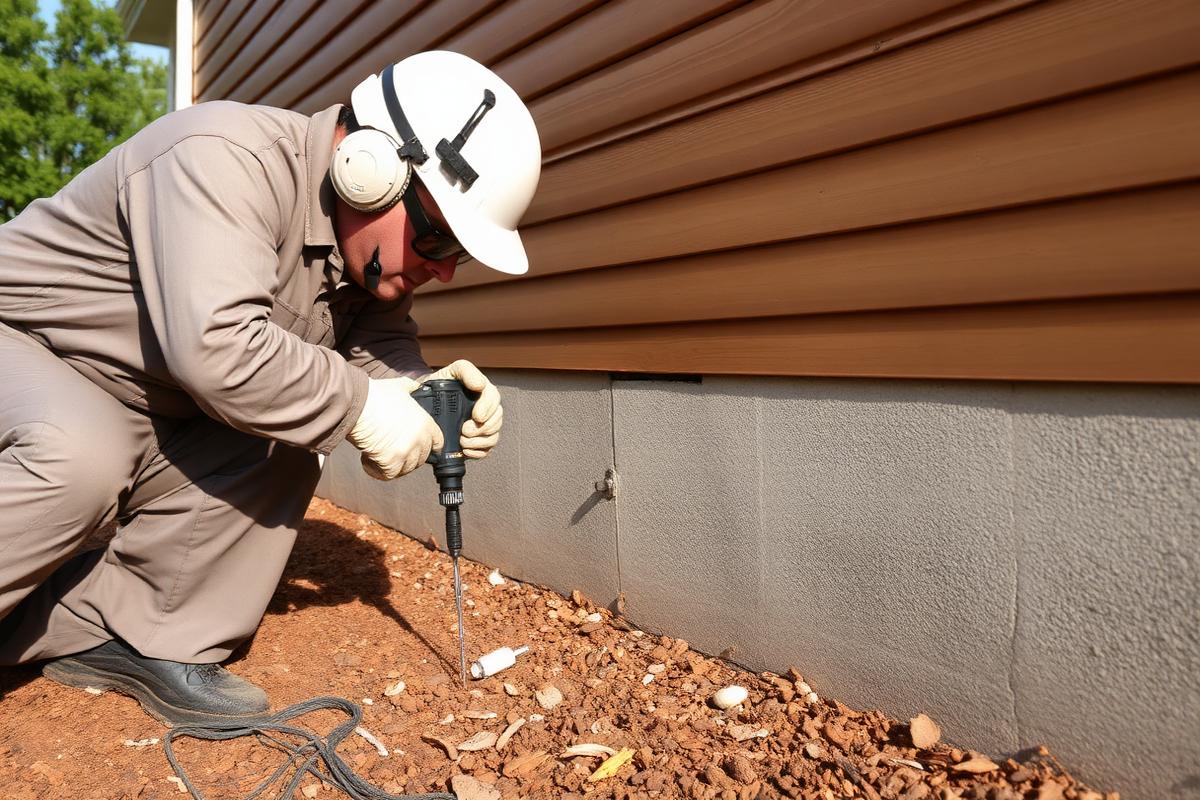
- Soil injection: non-repellent termiticide (Fipronil or Imidacloprid) injected into the soil along the foundation perimeter; termites die in the colony from social transfer
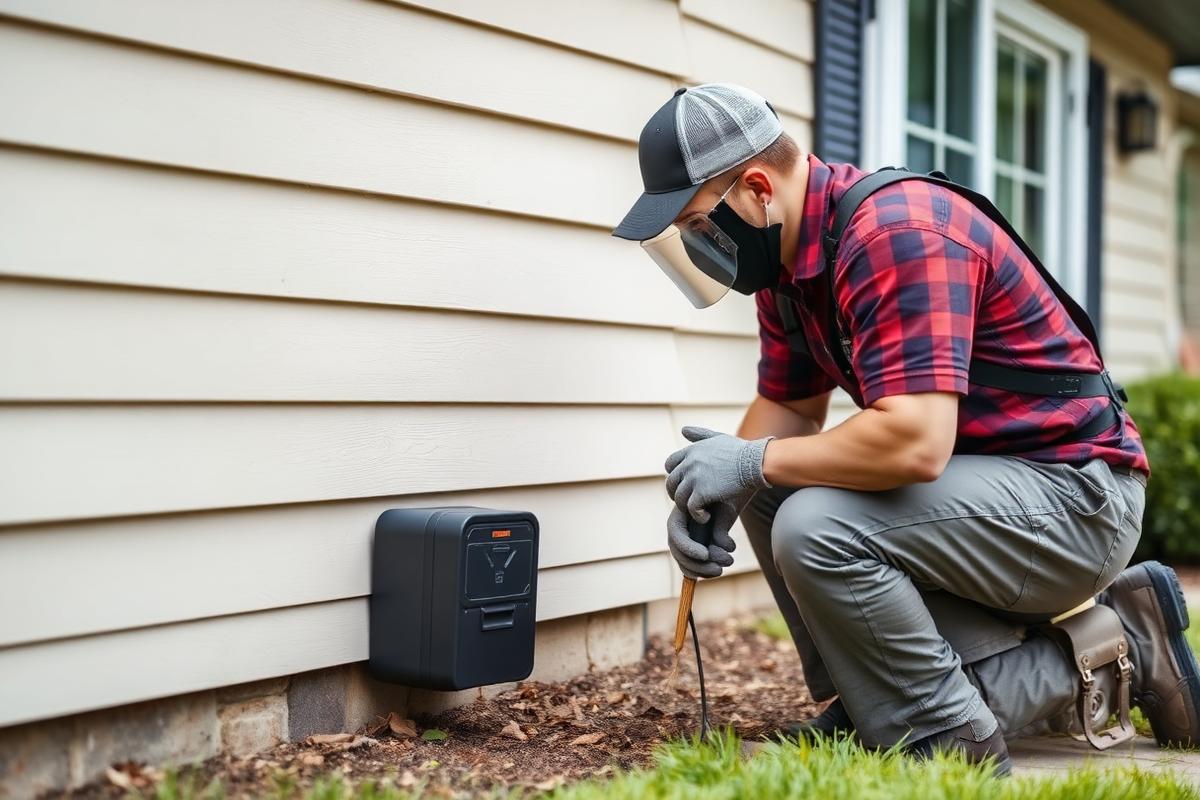
- Bait stations: in-ground stations containing chitin-inhibitor bait; slower but excellent for sensitive sites (boreholes, vegetable gardens)
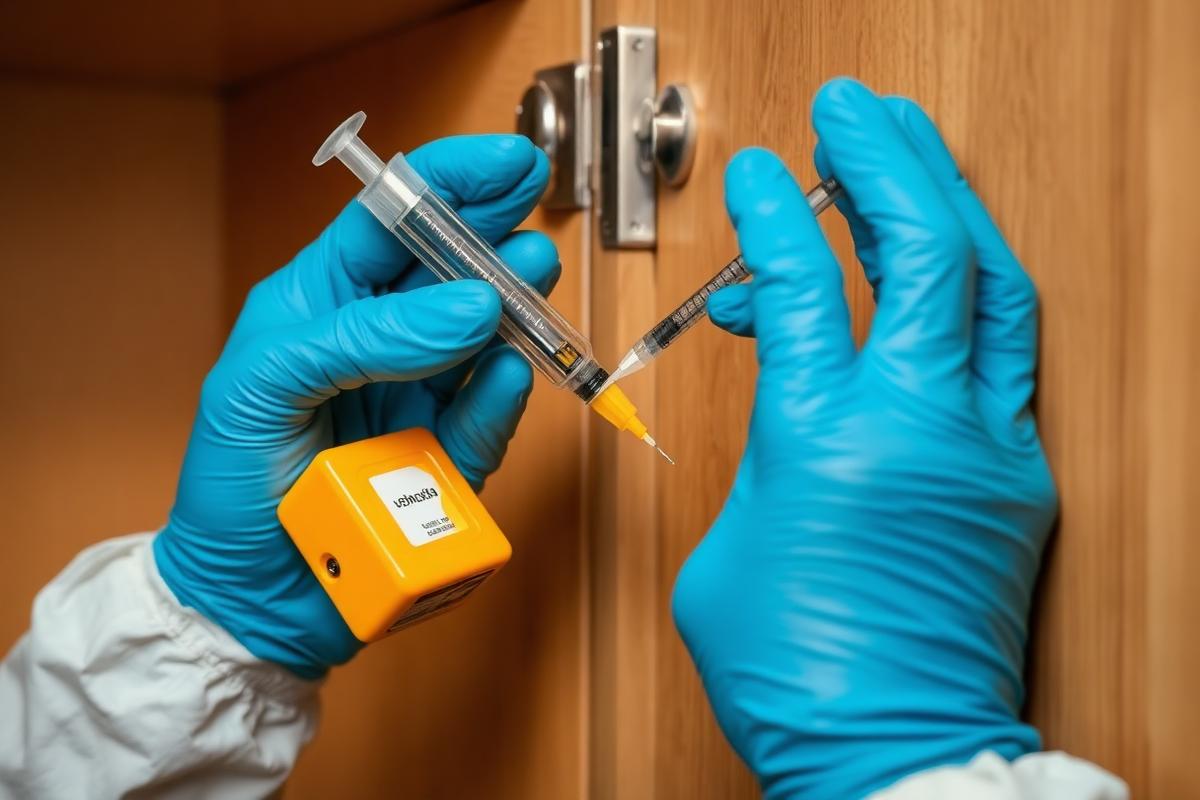
- Direct wood treatment: borate or fipronil applied to exposed trusses and frames
- Pre-construction barrier: termiticide applied at slab stage during builds — the gold standard for new homes
What it costs in Gauteng
Quotes are inspection-based because every site is different. Typical ranges:
- Standard residential soil injection (perimeter): R1 850 - R4 500
- Bait station programme (12-month monitoring): from R2 750
- Direct truss/frame treatment: from R1 200
- Pre-construction barrier: R55-R85 per m² of slab
- Annual inspection contract (recommended for older homes): R650/year
Why annual inspections pay for themselves
Termite damage is excluded from most home insurance policies in South Africa. A R650 annual inspection catches activity in the first 6-12 months, when treatment costs R2 000 instead of R150 000. We offer annual inspection contracts for Kempton Park and East Rand homes — book once, we diarise the visit each year.
Frequently asked questions
Book the treatment from this guide
Same-day cleaning available across Kempton Park.